Daily Metals
by
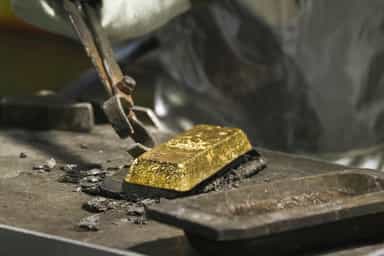
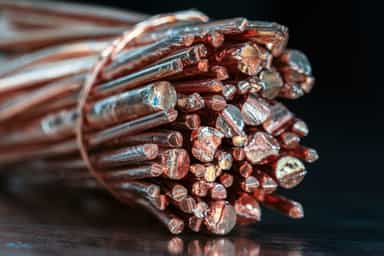
THIS MORNING Base metals are mostly lower at the start of Thursday, with four of the six contracts below Wednesday’s official close. Zinc is the strongest performer, gaining 0.7% to $3,791.50 a tonne, while copper is up 0.2% at $14,510. Nickel leads the declines, falling 0.9% to $15,400, followed by lead, down 0.6% at $1,844.50. Tin has eased 0.2% to $53,995 and aluminium is down 0.1% at $3,102. MACRO & GEOPOLITICS European traders face another cautious session as high borrowing costs and expensive energy weigh on confidence. Minutes from the Federal Reserve’s September meeting showed that most policymakers considered another rate increase likely by year-end, although markets see only a small chance of an October move and are pricing an 80% probability of a December increase. U.S. 10-year yields remain near 24-year highs, while planned borrowing by major technology companies is adding competition for investment funds. Brent crude has risen above $102 a barrel amid increased attacks on shipping in the Gulf. French debt concerns have also returned, putting pressure on the euro and wider European bond markets. BASE METALS Copper is supported by expectations of Chinese restocking after the National Day holiday and tightening nearby supply. Workers at Chile’s Centinela mine are on strike, while rejected contract terms at BHP’s Escondida mine have raised the risk of another stoppage. Zinc is also firmer, with London pricing indicating limited immediate availability. Aluminium’s earlier recovery has faded as Middle Eastern output improves, Indonesian shipments rise and Japanese fourth-quarter premiums fall sharply. Nickel is weaker despite Indonesia considering restrictions, including a possible moratorium, on new plants producing partly processed metal. Tin remains near historically high levels as expanding data-centre and electronics demand meets falling visible inventories. Lead has slipped alongside the softer contracts. PRECIOUS METALS Gold has recovered about 0.7% to around $4,141 an ounce after the dollar retreated from an 18-month high. The move follows Wednesday’s fall to a two-month low, although high bond yields and the prospect of another Federal Reserve rate increase remain obstacles. Silver is little changed near $60.18. Platinum has rebounded 2.1% to roughly $1,665, while palladium is up 1.6% near $1,143 after both metals suffered steep losses in the previous session. STEEL Chinese steel contracts opened lower following the week-long holiday, with rebar, hot-rolled coil and stainless steel all losing ground. Mill margins remain extremely weak, prompting some producers to begin or plan maintenance shutdowns; only about 6.9% of surveyed Chinese steelmakers were profitable at the end of September. The figures suggest mills may remain cautious when purchasing raw materials. In India, Steel Exchange India reported provisional second-quarter fiscal 2027 revenue of about 3.4 billion rupees, up 45% from a year earlier, offering a more positive company-level signal. RARE EARTH METALS Iondrive has proposed an $18 million senior debt facility for a planned rare-earth processing module in Oklahoma. The announcement is an early financing step rather than confirmation that construction or production will proceed. It nevertheless reflects efforts to build critical-mineral processing capacity outside China. The project is unlikely to affect near-term European availability, but additional Western processing could eventually give manufacturers and recyclers more supply options and reduce reliance on concentrated overseas supply chains. FOREX The euro is trading near $1.120 after falling 0.6% on Wednesday and remains close to a 17-month low. Concern over France’s finances and rising borrowing costs in other euro-area countries are weighing on the single currency. The dollar index is around 102.22, close to an 18-month high, supported by elevated U.S. yields and expectations of another Federal Reserve increase. For European scrap firms, the weak euro raises the local-currency cost of dollar-priced metals, fuel and international freight even when underlying commodity prices are stable. WATCH TODAY Germany’s August trade balance is due this morning, followed by U.S. weekly jobless claims. European markets will also hear from ECB chief economist Philip Lane and senior Bank of England officials. Later, Federal Reserve speakers and a $22 billion U.S. 30-year Treasury auction could move bond yields, the dollar and metals prices.
Share