Daily metals
by
This Morning
At 09:15 CET on Tuesday, base metals were mostly lower against Monday’s official closes. Tin led the declines, falling 0.7% to $55,050 a tonne, while zinc and lead each lost 0.3% to $3,724.50 and $1,858, respectively. Aluminium was the strongest performer, up 0.3% at $3,327, and nickel gained 0.1% to $16,740. Copper was unchanged at $14,160.
Macro & Geopolitics
Oil-driven inflation risk returned to the foreground after Brent rose about 5% on Monday and advanced to roughly $88 a barrel on Tuesday. Washington and Tehran exchanged further demands, reducing hopes that the Strait of Hormuz will reopen soon and raising concerns about energy costs and inflation. The oil move lifted the implied probability of a September Federal Reserve rate hike to around 50%, ahead of Wednesday’s U.S. inflation report. Cleveland Fed President Beth Hammack said the time had come to begin raising interest rates gradually. The Reserve Bank of Australia held its cash rate at 4.35% but retained the option of another increase, reinforcing the cautious global rates backdrop.
Base Metals
Aluminium extended its rally to a seventh session, briefly reaching $3,350 as shrinking exchange inventories and disrupted Middle Eastern shipments reinforced deficit concerns. Supply risk intensified after Norsk Hydro cut production at Brazil’s Alunorte alumina refinery to 50% of capacity because of reduced natural-gas availability. Copper held firm near record territory, supported by a $145.50-a-tonne cash-to-three-month backwardation and declining LME stocks. Chilean production data were mixed: June output jumped 45.8% at Escondida but fell 4.8% at Codelco. Atalaya Mining maintained its 2026 copper production, cash-cost and AISC guidance. Tin, zinc and lead weakened in Tuesday’s early trade, while nickel edged higher against Monday’s official close.
Precious Metals
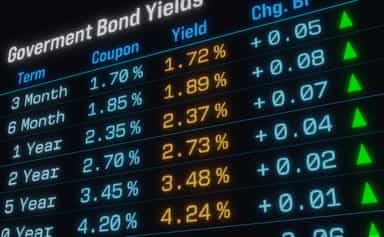
Gold slipped 0.3% to around $4,375 an ounce after briefly reaching $4,434.84, its highest level since June 5. Safe-haven demand linked to geopolitical tensions remained supportive, but firmer oil prices and Treasury yields increased the risk of a stronger U.S. inflation reading and renewed rate expectations. Silver fell 1.7% to $64.64, platinum declined 0.4% to $1,745.68 and palladium lost 0.8% to $1,372.44. Barrick Mining’s results highlighted the cost impact of expensive fuel, with gold all-in sustaining costs rising 11% year on year.
Steel
Merafe Resources warned that increased Chinese supply and weak global stainless-steel demand could create a ferrochrome glut during the second half of the year. Its attributable ferrochrome production fell 75% to 28,000 tonnes in the first six months as South African smelters were suspended, although discounted electricity tariffs supported plans to restart some operations. Chrome ore sales volumes rose 75%, while China has overtaken South Africa as the leading processor of chrome into ferrochrome. In Europe, Polish producer Stalprodukt said first-half sheet-segment revenue was 36% below the average of the previous two years, blaming sharply higher imports priced below European production costs.
Forex
The dollar received modest support from higher oil prices and rising inflation concerns, leaving the euro at about $1.1541 and below its recent one-and-a-half-month peak. For euro-area scrap traders, the still-firm single currency continues to reduce the local-currency cost of dollar-denominated metals, although Wednesday’s U.S. inflation figures present a reversal risk. A stronger report could lift Treasury yields and the dollar. The yen weakened beyond 159 per dollar, but traders remained wary of further Japanese or suspected coordinated U.S.-Japanese intervention, limiting appetite to push the exchange rate through 160.
Watch Today
Germany reopens a five-year government bond auction, providing a test of European duration demand as global yields rise. U.S. existing-home sales are due at 16:00 CET and could influence the dollar and rate expectations ahead of Wednesday’s consumer-price report.
Share