Hey, it could have been worse
by
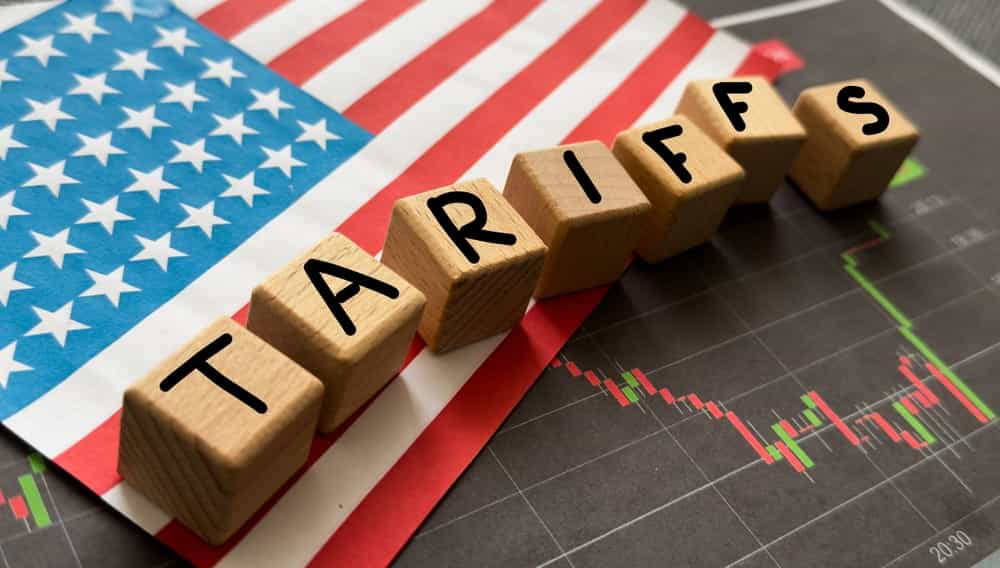
Markets are dealing with US President Donald Trump's latest tariff package by saying it could have been worse. Many analysts had braced for much worse, and the general reaction has been relief. Even so, the vast majority still regard tariffs as a needlessly destructive policy. EU stock futures are up between 1.4% and 2.2%. Most Asian share markets are in the black, although they are still down sharply for the month. The proposed new tariffs on 14 major trading partners use the excuse of combating structural excess industrial capacity. That justification makes as much sense as citing national emergencies or slave labour. Yet, crucially, the new tariffs would not stack on top of the 10% or 12.5% levies imposed in July on a group of 60 trading partners. They would also exclude certain goods, including tech or those already subject to separate Section 232 tariffs. The US Trade Representative will not hold a hearing on the proposals until January 25. That implies they might not take effect until February or March, giving countries and industries extra time to prepare. The Supreme Court struck down what Trump had dubbed his Liberation Day levies in February. The plans would essentially bring the overall effective tariff rate back to where it was before that. Analysts did point out that using two alternative sets of Section 301 tariffs could make them harder to block through the courts. That would make them easier for future administrations to quietly keep in place for years to come. Additional levies are not exactly good news for inflation next year. That is particularly so with the core PCE already up at 3.3% in October and ever farther from the Fed's supposed 2% target. Yet Treasuries still managed to stage a bull rally on Wednesday. The long bond gained a full point in price, and 10-year yields touched 11-week lows. Investors may be betting that all the bloodletting in stocks will combine with the threat to the AI investment boom and stop the Fed from getting too hawkish. A December rate hike is still 96% priced in futures. However, the risk of 50 basis points does seem to have diminished. Markets are also leaning toward two more hikes in total, rather than three. This could all change, of course, if the AI bubble re-inflates, leaving bonds rather at the mercy of mood shifts in equity markets. Key developments that could influence markets on Thursday:
- German GfK consumer sentiment for December, EU money supply, French PPI and unemployment for October
- ECB President Christine Lagarde at Euro Summit, Riksbank Deputy Governor Per Jansson speaks
Share