Metals Daily
by
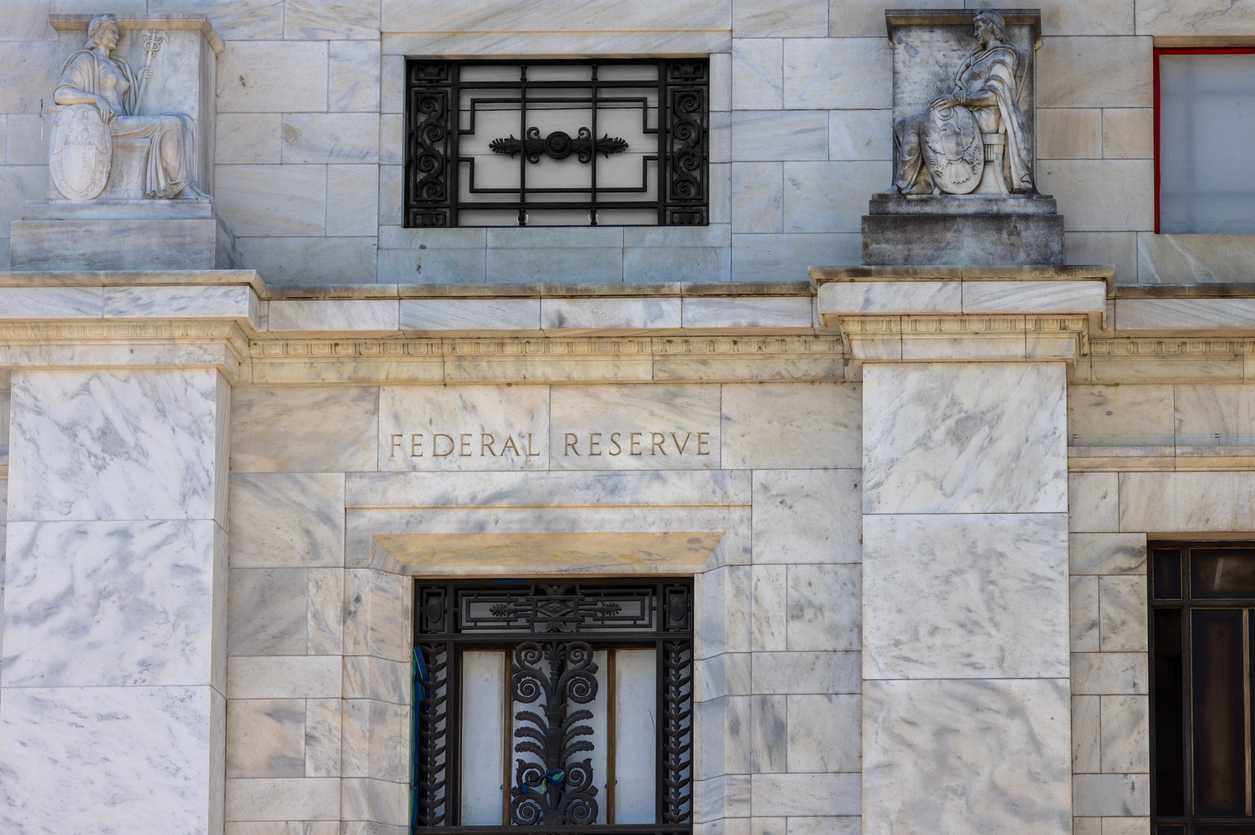
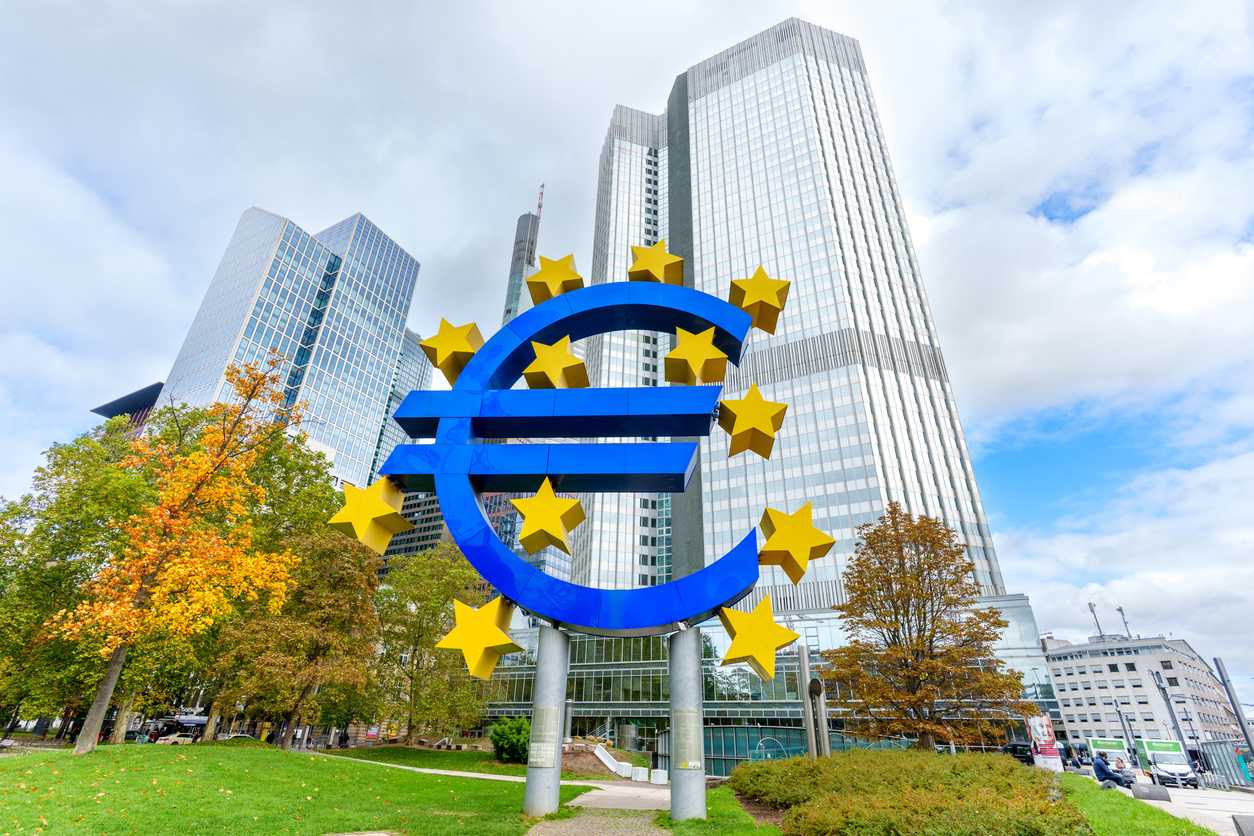
This Morning Early Friday trade was mostly softer against Thursday’s official close. Tin was the main faller, down 1.3%, followed by lead at 0.4% lower, copper at 0.3% lower and zinc at 0.2% lower. Nickel was down by less than 0.1%, while aluminium was up by less than 0.1%, leaving both broadly unchanged. The overall tone was cautious, with tin showing the clearest pressure at the start of the European business day. Macro & Geopolitics Global markets moved towards safety as investors questioned whether heavy spending on artificial intelligence will produce adequate returns. Technology shares fell sharply in the United States and Asia, while government bonds and safe-haven currencies gained. Strong US growth and accelerating inflation kept a December Federal Reserve rate increase in play. The European Central Bank held its main rate at 2.5% on Thursday and signalled that another increase could come in December, warning that higher energy costs were adding to inflation risks. Oil rose early Friday as fresh Middle East supply risks outweighed recent attempts to revive peace talks, adding to inflation and industrial-cost concerns. Base Metals Copper edged lower as expensive oil and the technology selloff weakened demand expectations, although tight inventories and strong import premiums in China offered support. Rio Tinto’s suspension of underground work at Mongolia’s Oyu Tolgoi mine, combined with border transport delays, created an additional supply risk. Aluminium was slightly firmer, while zinc and lead eased and nickel gained in early LME trade. Tin remained under pressure despite Indonesian refined exports falling 18% year on year in September. Lead also deserves attention: warehouse stocks remain high, but total LME inventory has declined and China has sharply increased imports. Precious Metals Gold slipped towards $4,000 an ounce as firm US inflation increased expectations of a December interest-rate rise. Higher rates make non-interest-paying precious metals less attractive. Silver fell 1.6% to around $51.50, platinum lost about 2% and palladium dropped below $1,000. All four metals were heading for a second monthly decline, despite broader weakness in share markets. High oil prices remain important because they could keep inflation and rate expectations elevated. Steel Italy’s highest court upheld an order to close the blast furnaces at the former Ilva steelworks in Taranto on health and environmental grounds. The decision increases the risk of a permanent shutdown at Italy’s only integrated steelworks and creates uncertainty for about 8,000 direct employees. It may also complicate the sale process, for which binding bids are due on November 9. Reduced domestic output could eventually increase Italy’s need for imported steel, although the timing and scale remain unclear. Rare Earth Metals European efforts to secure alternative critical-mineral supplies could receive more private funding. London-based Appian Capital is discussing possible investment partnerships with the European Bank for Reconstruction and Development and other institutions. Appian plans to deploy $5 billion to $7 billion globally over the next 12 to 24 months, including funding for Africa. The firm is also considering more processing projects, an important point for rare-earth magnets because processing capacity has become a major supply bottleneck for some critical minerals. Forex The euro edged 0.1% higher to about $1.119 against the dollar after the ECB held rates and left another increase on the table. The yen and Swiss franc also strengthened as investors moved away from riskier assets, while US Treasury yields fell. For European scrap traders, the slightly firmer euro provides limited relief on the local cost of dollar-priced metals. However, further euro gains may be difficult if weak regional growth data clashes with inflation pressure from energy prices. Watch Today Preliminary third-quarter GDP figures are due from France, Germany and the wider euro area, alongside French and German inflation data and German unemployment. Results from AstraZeneca, Chevron and Exxon Mobil may also affect European shares, energy prices and the wider appetite for commodities.
Share