Metals daily
by

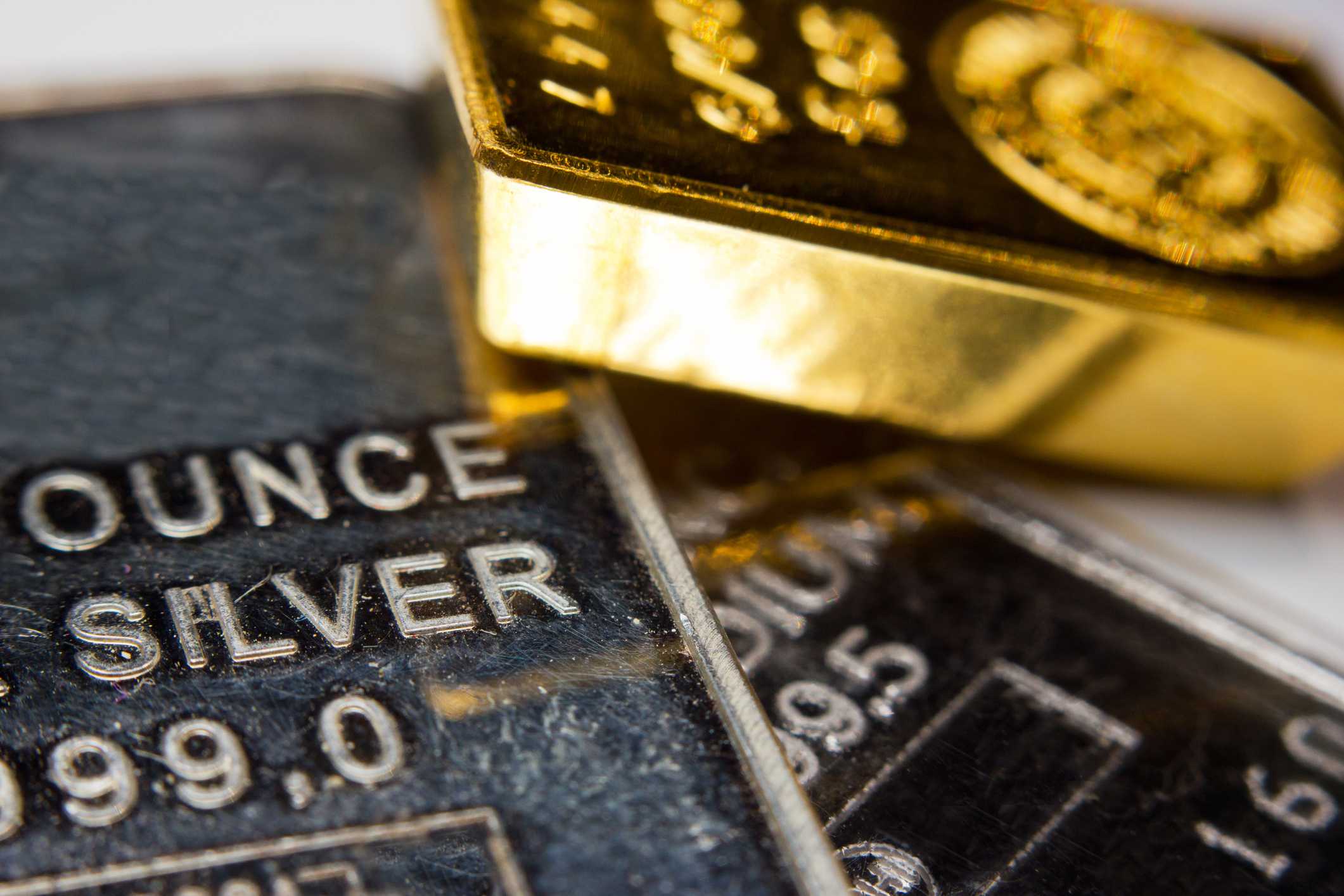
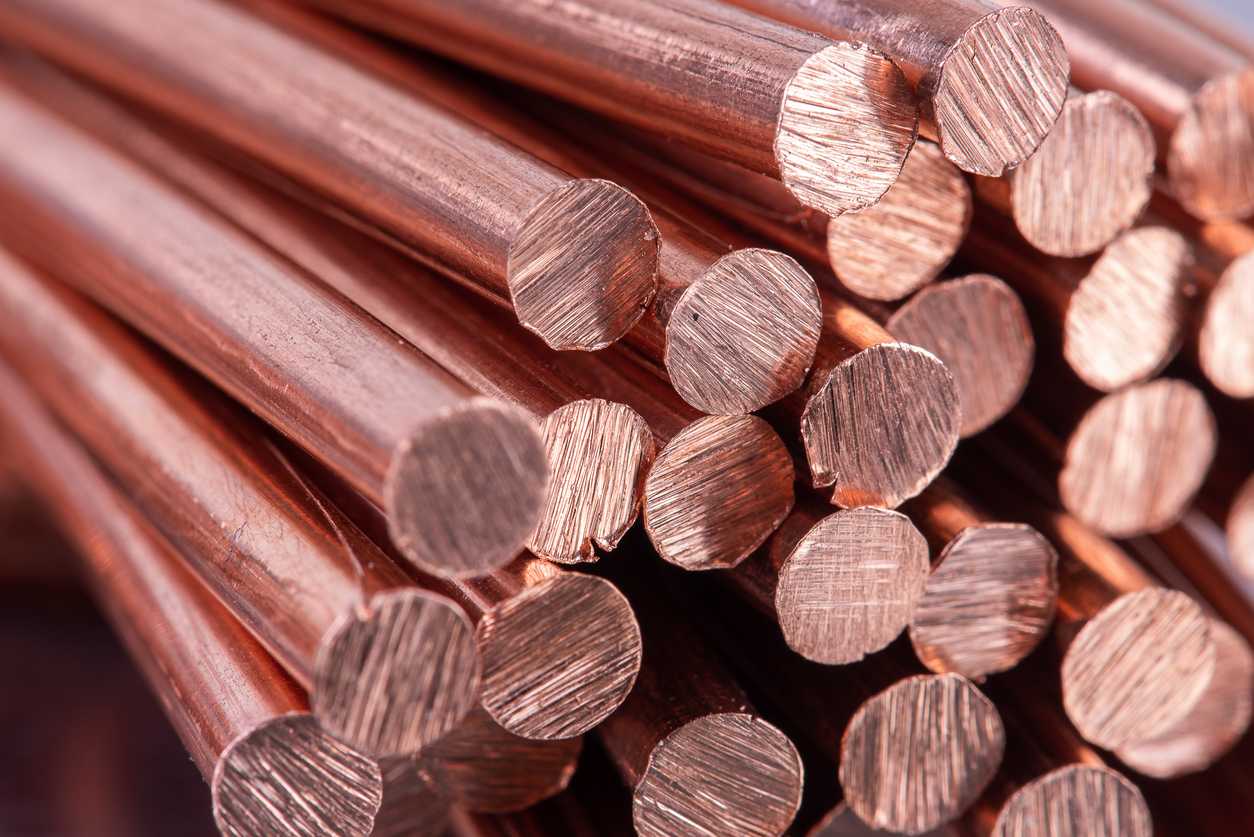
This Morning Trading was mostly softer at the start of Thursday, with four of the six base metals below Wednesday’s official close. Copper recorded the largest decline, falling 0.8%, while tin lost 0.5%. Zinc eased 0.1% and nickel slipped fractionally; aluminium was virtually unchanged. Lead was the only riser, edging 0.1% higher. Macro & Geopolitics The stronger dollar remains the main obstacle for metals after firm US inflation and tougher Federal Reserve comments increased expectations of a December rate rise. Investors are also considering the possibility of a larger half-point move, which would further raise financing costs and pressure dollar-priced commodities. Global risk appetite weakened early today after reports that Nvidia’s board could consider removing CEO Jensen Huang, unsettling technology shares, although European stock futures pointed higher. Meanwhile, continued tension involving Iran is keeping energy and shipping risks elevated. For European traders, the mix of expensive energy, higher interest rates and a weak euro continues to squeeze purchasing margins. Base Metals Aluminium was steady in London after Shanghai prices posted their strongest rise since April. The most-active December contract on the Shanghai Futures Exchange rose as much as 2.36% earlier in the session, its biggest intraday gain since April 16, supported by limited inventories and steep near-term premiums. Shanghai inventories fell more than 30% last week, while LME aluminium stocks have more than halved since the escalation of the US-Israeli conflict with Iran. Much of the remaining LME inventory was of Russian origin. The shortage of nearby metal is supporting prompt prices, although new overseas smelter capacity and expectations of weaker demand may limit longer-term gains. Copper, zinc, lead, nickel and tin were softer in early London trading as the strong dollar encouraged profit-taking. Copper’s longer-term supply picture remains supportive, with Codelco and Adani agreeing to explore a Chilean project that could eventually provide long-term supply for Adani’s smelting complex in Mundra, India. Precious Metals Gold fell below $4,000 an ounce and touched its lowest level in more than a week as the dollar reached a 19-month high. Expectations of further US rate increases are making non-interest-paying precious metals less attractive. Silver also weakened early today, while palladium recovered slightly to around $1,033 after reaching its highest level since October 22 on Wednesday. Precious-metal traders are now waiting for Friday’s US producer-price figures for the next inflation signal. Steel Trade barriers remain the main steel-market theme. Mexico said tighter checks had reduced steel and aluminium imports from third countries, including China, South Korea and India, by around 30%, while roughly 1,100 steel mills—many in Asia—were removed from its approved registry after authorities found that some did not actually exist. Mexico is seeking relief from US tariffs on steel, aluminium and vehicles. The measures are focused primarily on North American trade, while increased competition from Asian imports remains a broader concern for steel producers. Rare Earth Metals Myanmar is urging the United States to increase investment in its rare-earth sector as Washington tries to reduce reliance on China. Myanmar is an important source of heavy rare earths used in electric vehicles, wind turbines and other high-tech products, but its main producing region in Kachin state is controlled by an armed group and remains exposed to civil conflict. Any US investment would therefore face major political, security and operating risks. China still dominates the processing of Myanmar’s raw material into magnets, so meaningful supply-chain change would take time. Forex The dollar index climbed above 103 to its highest level in 19 months as traders increased bets on further Federal Reserve tightening. The euro stabilised near $1.110 early today but remained close to a 19-month low after falling sharply on Wednesday. This leaves European buyers facing higher euro costs for dollar-priced metal, freight and energy. Unless European data strengthen or Fed expectations ease, currency pressure is likely to remain a drag on purchasing power and scrap margins. Watch Today UK third-quarter GDP, September industrial production and trade figures are due this morning and could move sterling and wider European rate expectations. US weekly jobless claims will be watched this afternoon for signs that higher rates are weakening the labour market.
Share