Theme of the Day: Copper and the energy transition
by
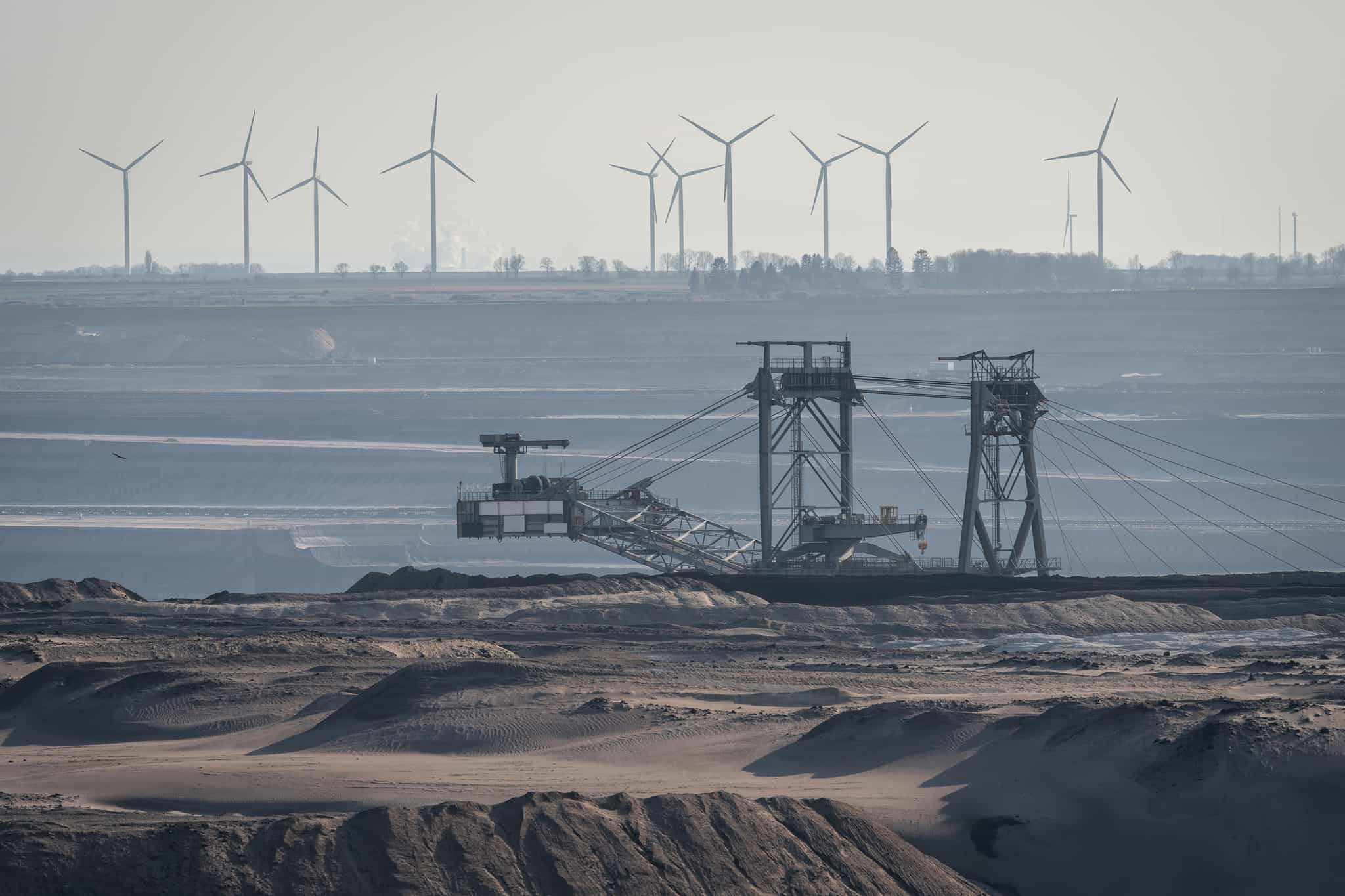
Copper has been and will continue to be the driver of sustainable human progress. Electrification will lead to dramatic growth in global electricity supply and demand. Two-thirds of refined copper goes to wire and cable markets. Electrical applications drive copper demand. Copper growth is coming from energy transition applications. China will dominate energy-transition-related copper growth. Western grids cannot keep pace with renewable additions.Copper is arguably the most important enabler of decarbonisation among all metals, serving in everything from power cables and battery electrode materials to motor, generator, and transformer windings. Yet it also has societal and emissions impacts of its own that must be recognised and addressed.So, it was a pleasure to have the opportunity to speak to an audience of stakeholders from all stages of the copper supply chain last week at the launch of The Copper Mark's Responsible Renewable Energy Value Chains initiative in The Hague. The discussion focused on critical issues, including traceability, transparency, greenhouse gas emissions, and circularity. We set the scene with data and insights from CRU's copper and energy transition teams:The energy transition only comprises a small fraction of copper demand —<15% in 2025 — but is expected to drive almost all demand growth over the next decade.Copper decarbonisation likely to focus on mining. Copper’s mining impact is vast… …but its CO2 impact is small, in relative terms.At the macro scale, copper's CO2 impact is relatively low, at about 0.2% of the global total, compared with roughly 3% from aluminium and 8% from steel. But per unit of metal produced, copper's emissions exceed those of steel (although are still some way lower than aluminium's).Most of copper’s emissions arise in the mining stage, where electrifying vehicles and other equipment can deliver substantial reductions. By contrast, most of steel’s emissions occur in processing, where replacing coal used as a reductant in blast furnaces with an electrified alternative — most likely green hydrogen — will require time and substantial capital.Copper has by far the largest mined-material footprint among the three most-produced metals, due mainly to its low concentration in ore. Mined production is driven by the conventional (pyrometallurgical) methods in most regions. As ore grades continue to fall and demand for primary copper grows, the associated social impacts will intensify.
Share