Theme of the Day: Mining companies should sponsor 18-year-olds through university
by
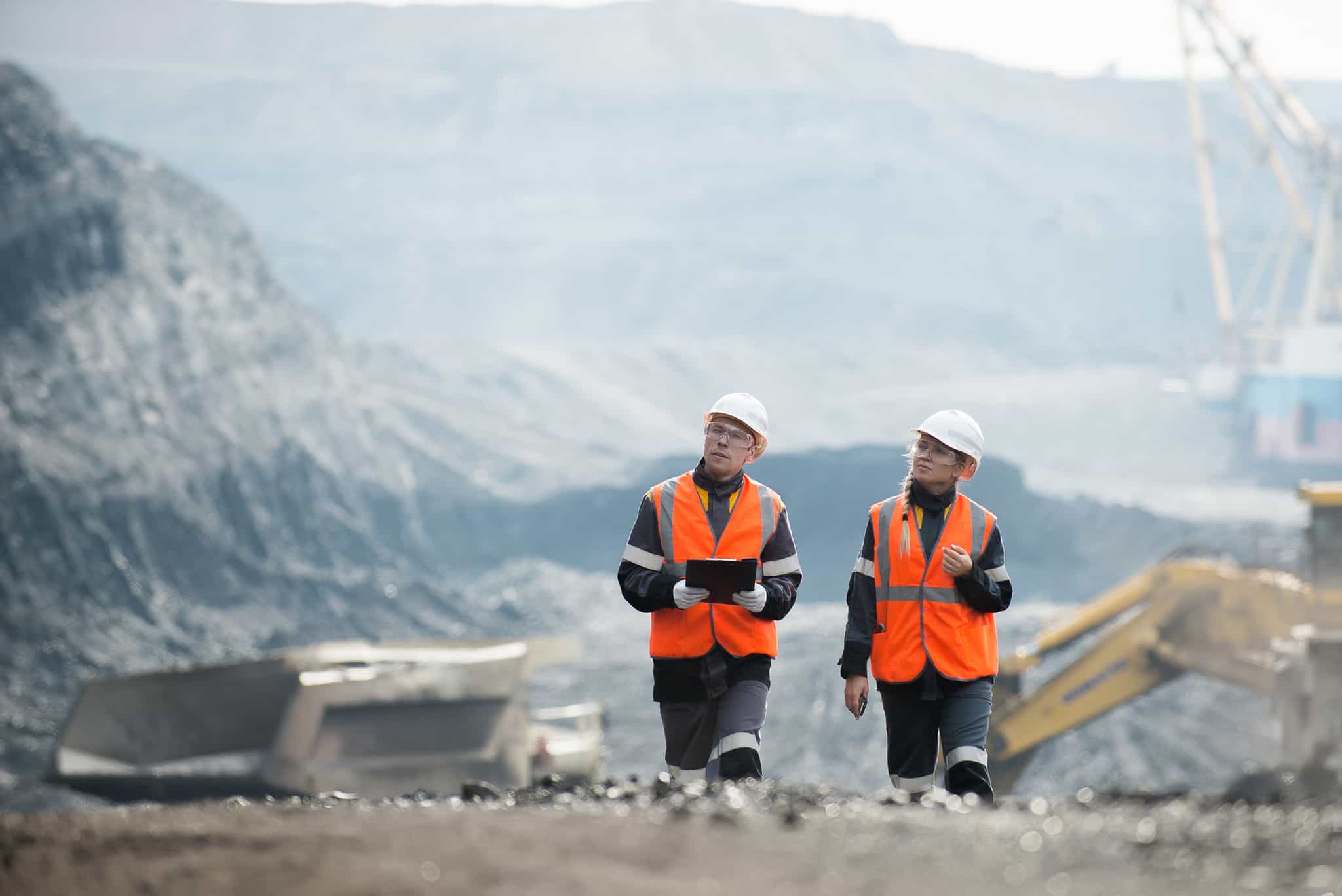
The mining industry faces a severe, structural labour shortage driven by an aging workforce, a boom in demand for critical minerals (copper, lithium, rare earths), and declining enrolment in mining and engineering programs. As companies scramble for talent, project delays, ballooning operating costs, and production bottlenecks have become widespread. There is this perception that mining is a dirty industry – something we need to wind down, rather than accelerate. We need governments to take the lead on building awareness among the public and making the link between mining and sustainability clear to all. Key Drivers of the Shortage: Demographics: The industry faces a "retirement cliff" with the average age of skilled professionals having risen significantly, and nearly half of mining engineers projected to retire within the decade. The Image Challenge: Young professionals and STEM students often flock to cleantech and tech sectors, mistakenly perceiving mining as outdated or a non-contributor to climate solutions. The Technological Gap: The push toward remote operations, autonomous haulage, and data science requires digital and technical skills that many applicants lack. Part of the issue is perception. Many of today’s graduates don’t associate mining with purpose or progress – they see it as dirty, remote, dangerous, and out of step with their values. In a Canadian MiHR survey, 70% of people aged 15–30 said they would not consider a mining career – the highest rejection rate of any sector. Many cite safety, lack of flexibility, and environmental concerns. Mining engineering enrolment has dropped by 63% since 2014 in Australia and 39% since 2016 in the US. In Canada, one in five mining workers is already over 55 and only 5% of the mining workforce is under 25. A consensus is growing that mining companies should sponsor 18-year-olds through university. Full degree paid. Summer placements on site every year. Guaranteed job on graduation. Five-year commitment in return. Really makes sense because it's not a radical idea. It's an obvious one. And the fact that almost nobody's doing it tells you everything about how this industry thinks about talent. Talking with General Managers, VPs of Exploration, Project Directors, 86% of mining executives say it is harder to recruit and retain the talent they need. The talent pool gets thinner every year. Everyone in mining knows this. Talking to hiring managers every week who can't find the people they need, the skills shortage isn't a future problem. It's today's problem. EY surveyed 500 senior mining executives and 75% said they're not confident they can solve their labour shortages. Mining engineering programmes have nearly halved in the US since the 1980s. And yet the response from most operators is to compete harder for the same shrinking pool of experienced people. Pay more. Offer bigger rosters. Throw retention bonuses at the problem. A major producer could put 20 students a year through geology, engineering or metallurgy courses for what amounts to a rounding error on their annual profit. Those students graduate with no debt, real site experience, and a five-year runway into one of the few industries with genuinely structural demand. No AI without copper. No energy transition without lithium. The world cannot function without what mining produces. Education has a key role to play in changing people’s perceptions of mining, highlighting its strong link to global decarbonisation, and emphasising the benefits of working within the sector. Looking at the longer-term it is vital for miners to do more to promote education about and for mining, which will help to expand the pool of available candidates in future generations. And part of this will include improving the image of mining in people’s minds. The branding of mining has a role to play in the current skills shortage because people often don’t know what mining is. They do not realise that everything in this world must either be grown or mined – and we will need a lot more mines to support decarbonisation. An example of this is the fact that wind turbines and other sustainable solutions will require mining materials for their production – showing that mining is critical to decarbonisation efforts across almost every industry and sector.
Share