Theme of the Day: Mozal Aluminium smelter to be mothballed
by
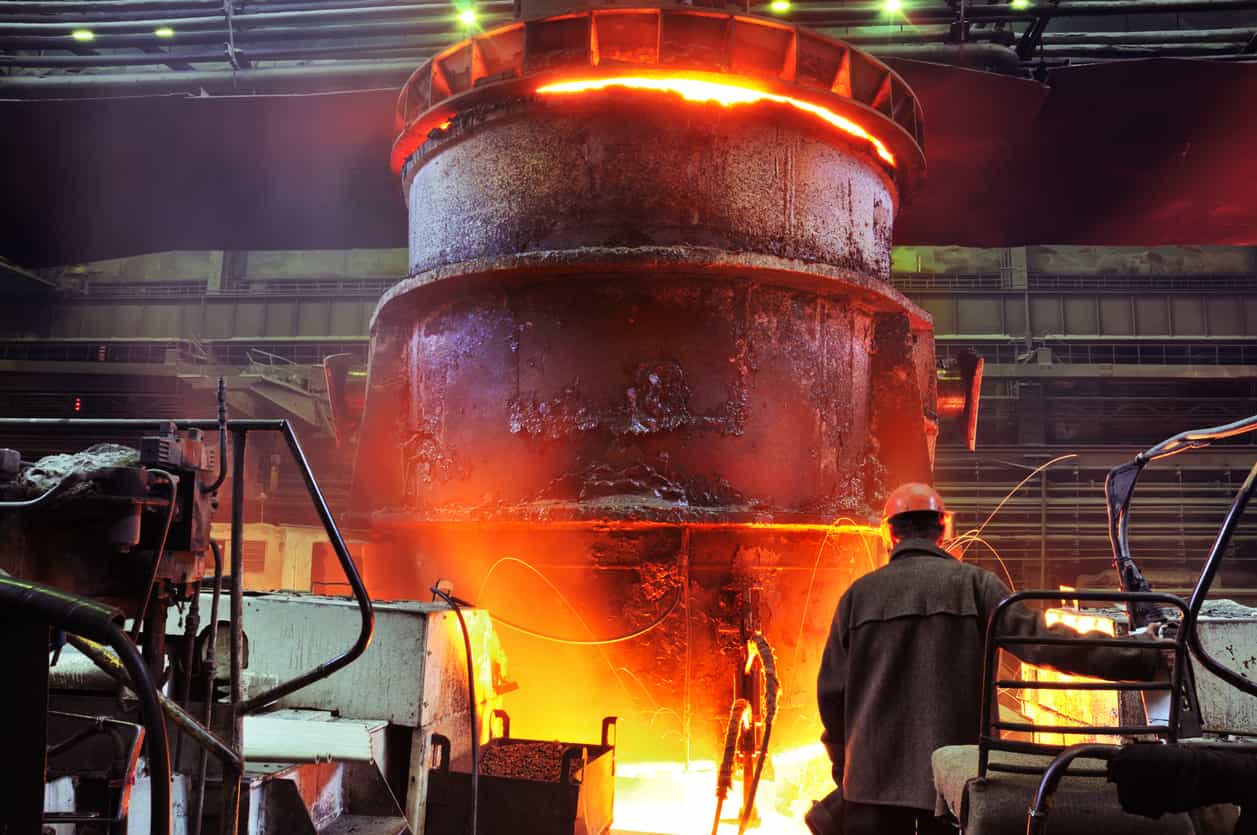
The 575ktpy Mozal Aluminium smelter in Mozambique is set to be placed on care and maintenance from around 15 Mar 2026. This comes as the smelter was unable to secure an electricity supply agreement beyond Mar 2026. South32, which owns the smelter, outlined that despite talks with the government, Hidroeléctrica de Cahora Bassa (HCB) and Eskom, a sufficient and affordable electricity supply could not be arranged. Mozal Aluminium is located near Maputo, Mozambique. The smelter produces high-quality, primary aluminium for domestic and export markets. South32 holds 63.7% of Mozal, the Industrial Development Corporation of South Africa Limited holds 32.4%, and the Government of the Republic of Mozambique holds 3.9%. South32 expects the costs to place Mozal into care and maintenance, including employee separation costs and the termination of contracting arrangements, to reach approximately $60mn. Ongoing annual care and maintenance costs are expected to be approximately $5mn (100% basis). The alumina supplied from South32’s Worsley Alumina refinery to Mozal will be sold to third-party customers. The operation was running out of essential materials including coke and pitch. Even if a new electricity contract were secured immediately, supply could not be delivered in time to sustain production. The shutdown of Mozal would directly impact the EU’s aluminium industry, as most of its aluminium exports are sent to Europe. In 2024, the Netherlands, Italy, and Germany accounted for 34%, 30%, and 9% of Mozambican unwrought aluminium exports, respectively. This underscores the significance of Mozambican supply to the EU, where import reliance for primary aluminium remains prevalent. The near-term outlook for smelter production will be dominated by the nearing of China’s 45Mt capacity cap, leaving little room for further output expansion. This leaves limited further growth potential for Chinese production. China’s capacity cap also means that the country remains a net importer of aluminium. Restarts have begun in Europe, but significant capacity remains offline. Europe's aluminium sector was one of the worst affected industries during the energy crisis, with more than 1Mt per annum taken offline. Meanwhile, the ROW project pipeline is scanty with some projects still in the feasibility study stage. These include Century Aluminum’s greenfield project jointly with Emirates Global Aluminium (EGA) in the US and Arctial’s proposed smelter in Finland. In the near term, much of the capacity additions will come from Indonesia and India. Indonesian supply: The pace and capacity of Indonesian smelter projects will be a major source of discussion. The attractive margins at present, with low alumina prices and high aluminium prices, are encouraging Chinese investment beyond China’s borders. Indonesia is planning to build a total of 13Mtpy of aluminium capacity, with the majority of investment coming from Chinese companies. Many of these are greenfield projects, and the development will be phased. Only around 1.7Mtpy is expected to come online by 2026, with cumulative capacity reaching approximately 5Mtpy by 2030. China’s heavy investment in Indonesia’s aluminium sector also reflected its motivation to secure access to bauxite. Currently, China relies heavily on bauxite imports from Guinea. By investing in aluminium smelters and alumina refineries in Indonesia, China is building an alternative solution in case there’s ever a disruption in Guinea’s bauxite supply.
Share