Daily metals
von
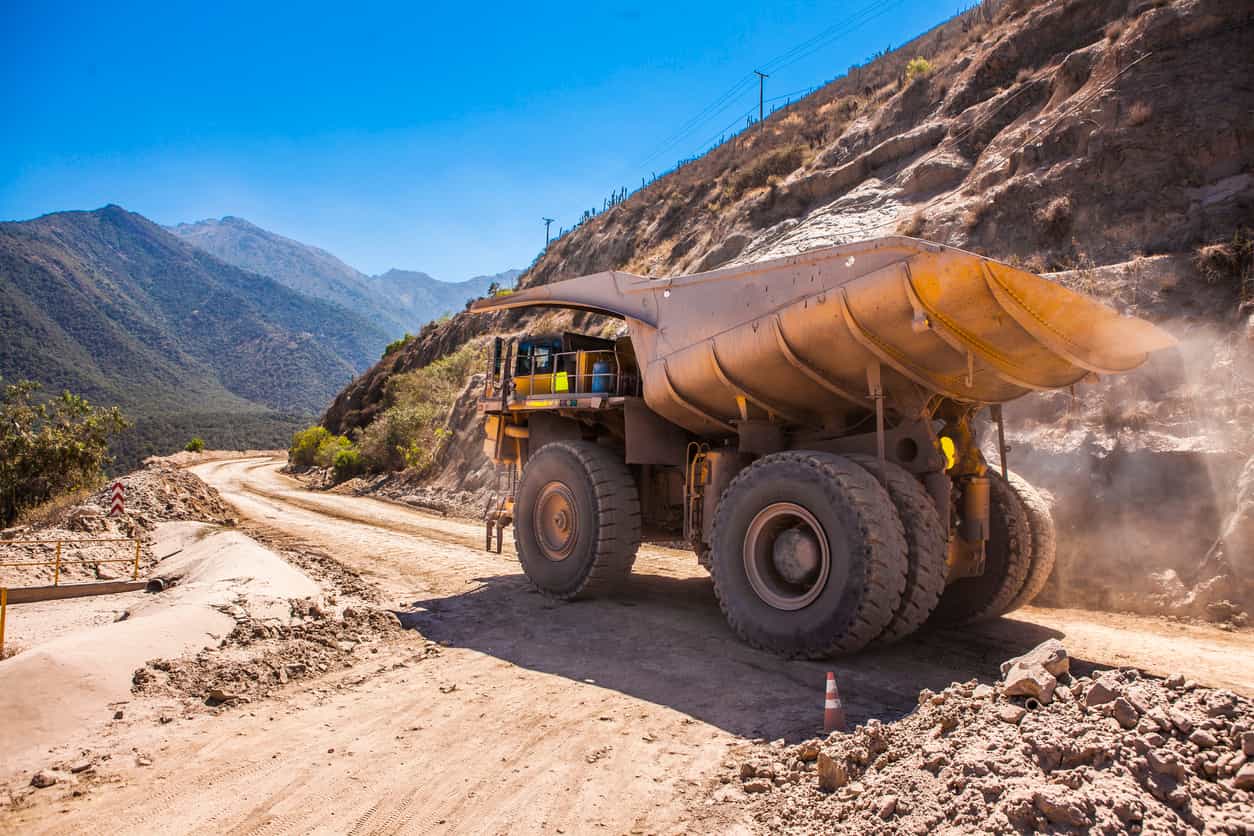
This Morning Monday began with base metals moving in both directions against Friday’s official close. Tin led the declines, falling 0.8%, while copper and zinc were each down 0.5%. Nickel gained 0.5%, lead rose 0.2% and aluminium added 0.1%. The mixed performance pointed to continued caution in copper and tin rather than a broad market sell-off. Macro & Geopolitics Oil and interest-rate concerns are setting a difficult backdrop for European metal traders. Brent rose above $107 a barrel after attacks on Saudi energy infrastructure and Gulf shipping, while planned talks on safer passage through the Strait of Hormuz were postponed. More expensive oil and longer shipping routes risk increasing transport, power and processing costs. Friday’s stronger U.S. inflation report raised the estimated chance of a Federal Reserve rate increase on Wednesday to about 86%. Markets also expect a possible Bank of Japan rate increase on Friday, while the Bank of England is expected to leave rates unchanged on Thursday. Base Metals Copper extended last week’s retreat as traders remained unsure whether the United States will impose tariffs on refined copper imports. A decision is expected on September 28, leaving questions over whether metal stored in the U.S. will remain there or return to other markets. This uncertainty, together with weaker risk appetite and rising energy costs, is limiting buying despite copper’s longer-term supply concerns. Tin and zinc also opened below Friday’s close. Nickel, lead and aluminium made small gains, but higher borrowing, freight and fuel costs could weigh on demand from European manufacturers and scrap processors. Precious Metals Gold fell around 0.5% to roughly $4,327 an ounce as rising oil prices strengthened expectations of higher U.S. interest rates. Silver lost about 1%, while platinum and palladium also edged lower. Higher bond yields make precious metals less attractive because they do not pay interest. Geopolitical uncertainty may continue to bring buyers into gold after price falls, but the Federal Reserve outlook remains the stronger short-term influence. Steel Australia’s Whyalla Steelworks is set to shut its blast furnace and cut around 500 jobs while administrators seek a buyer. Officials said the older furnace technology had little value to potential owners, with the sale process on track for completion by year-end. Although the plant is outside Europe, the decision illustrates the pressure on traditional steelmaking sites facing heavy investment needs and high operating costs. It also highlights the industry’s potential shift toward newer production methods, which could gradually change demand for steel scrap and other recycled feedstock. Rare Earth Metals Yttrium has become an important point of tension between China and major trading partners. China dominates supply and imposed export controls on the metal in April 2025, disrupting users in aerospace, energy and semiconductor manufacturing. Shipments to the United States and Japan have been irregular or sharply reduced. Europe could also face tighter access as it challenges its trade imbalance with China. EU trade officials are seeking progress by October, making Chinese export policy an important risk for European manufacturers that use yttrium in specialist coatings and other applications. Forex The euro slipped about 0.2% to $1.1565 as the dollar gained support from expectations of a Federal Reserve rate increase. Sterling eased to around $1.3505 ahead of Thursday’s Bank of England meeting. For European scrap businesses, a weaker euro raises the local-currency cost of metals, fuel and freight priced in dollars. The dollar could remain firm before Wednesday’s Fed decision, particularly if bond yields stay close to recent highs. Further oil gains would add pressure by increasing Europe’s import bill. Watch Today ECB President Christine Lagarde and board members Isabel Schnabel, Piero Cipollone and Pedro Machado are due to speak. European traders will watch for comments on whether higher energy costs could lead to further interest-rate increases.
Teilen