Metals Daily
von

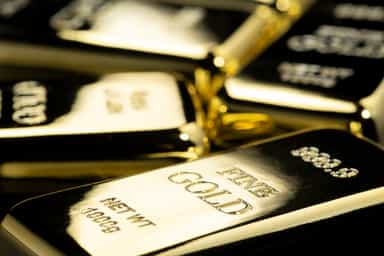
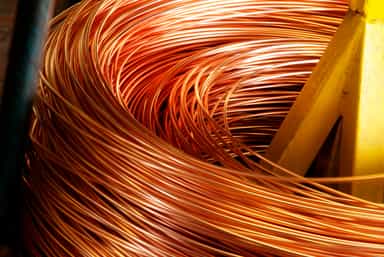
This Morning At 07:45 on Friday, three of the six base metals were below Thursday’s official closes. Aluminium recorded the steepest decline, falling 1.0% to $3,225 a tonne, followed by zinc, down 0.8% at $3,721.50, and copper, down 0.6% at $14,064. Lead led the gainers with a 0.7% rise to $1,856, while tin added 0.2% to $55,680 and nickel edged 0.1% higher to $16,590. Macro & Geopolitics Unchanged U.S. producer prices in July reinforced expectations that the Federal Reserve will leave rates steady in September, with markets assigning about a 35% probability to an increase. Asian equities advanced and European futures pointed to modest gains, although sentiment remains vulnerable to Middle East headlines. Brent held near $87 a barrel and was up about 4% for the week after Washington threatened to extend its naval blockade of Iran. Trade friction also remains relevant: the White House estimates tariff evasion through third-country transshipment costs the U.S. $19 billion-$26 billion annually, signalling tighter scrutiny of rerouted Chinese goods and supply chains. Base Metals Industrial metals were mixed as traders questioned whether demand can justify the recent price run-up, even as softer U.S. inflation reduced near-term rate risk. Copper was heading for its first weekly decline after six consecutive gains, with signs of softer Chinese import demand. Aluminium led the losses as Norsk Hydro’s Alunorte refinery began restoring alumina production and supply prospects from the Middle East improved. That bearish signal is tempered by LME aluminium stocks at a 36-year low and scarce non-Russian availability. A private sale involving an estimated 40,000-50,000 tonnes of aluminium is also under way as Radiant World seeks to raise cash, although the exact volume sold to STG is not known. Indonesia’s nickel ore quota remains sharply below 2025 levels, with additional tonnage expected to be granted selectively to smelters facing shortages. Lead, zinc and tin were mixed. Precious Metals Gold fell 0.5% to around $4,327 an ounce as investors took profits following Thursday’s two-month high. The reduction in Fed tightening expectations remains supportive, but the absence of an immediate bullish catalyst encouraged position trimming. Silver declined 0.4% to $64.17, platinum slipped 0.3% to $1,711.84 and palladium was little changed near $1,307. Gold, platinum and palladium were heading towards weekly losses, while the unresolved Iran conflict continued to provide underlying safe-haven support. Steel Thyssenkrupp is nearing an agreement that would preserve public support for its €3 billion direct-reduction steel project in Germany despite changes to its original operating assumptions. The group secured €2 billion of funding in 2023 on the condition that the plant use renewable hydrogen, which is unlikely to be available soon at commercially viable prices. The European Commission has approved an amendment to the funding framework, allowing Germany to adjust the grant conditions. The facility could also operate using natural gas, reducing execution risk but delaying its full decarbonisation benefits. Forex The dollar index remained close to 100 despite softer U.S. inflation, while the euro held near $1.153. The yen weakened to around 159.4 per dollar, approaching the 160 level associated with renewed intervention risk. Expectations of a September Bank of Japan rate increase are building, but the continuing yield gap with the United States continues to weigh on the currency. Watch Today France’s July inflation figures and the eurozone’s second-quarter GDP and employment estimates are due during the European morning. U.S. July retail sales follow at 14:30 CEST, with preliminary University of Michigan consumer sentiment and inflation expectations at 16:00 CEST. The U.S. releases are the main scheduled tests for the dollar and Fed pricing.
Teilen