Seoul-Sapping Selloff
von
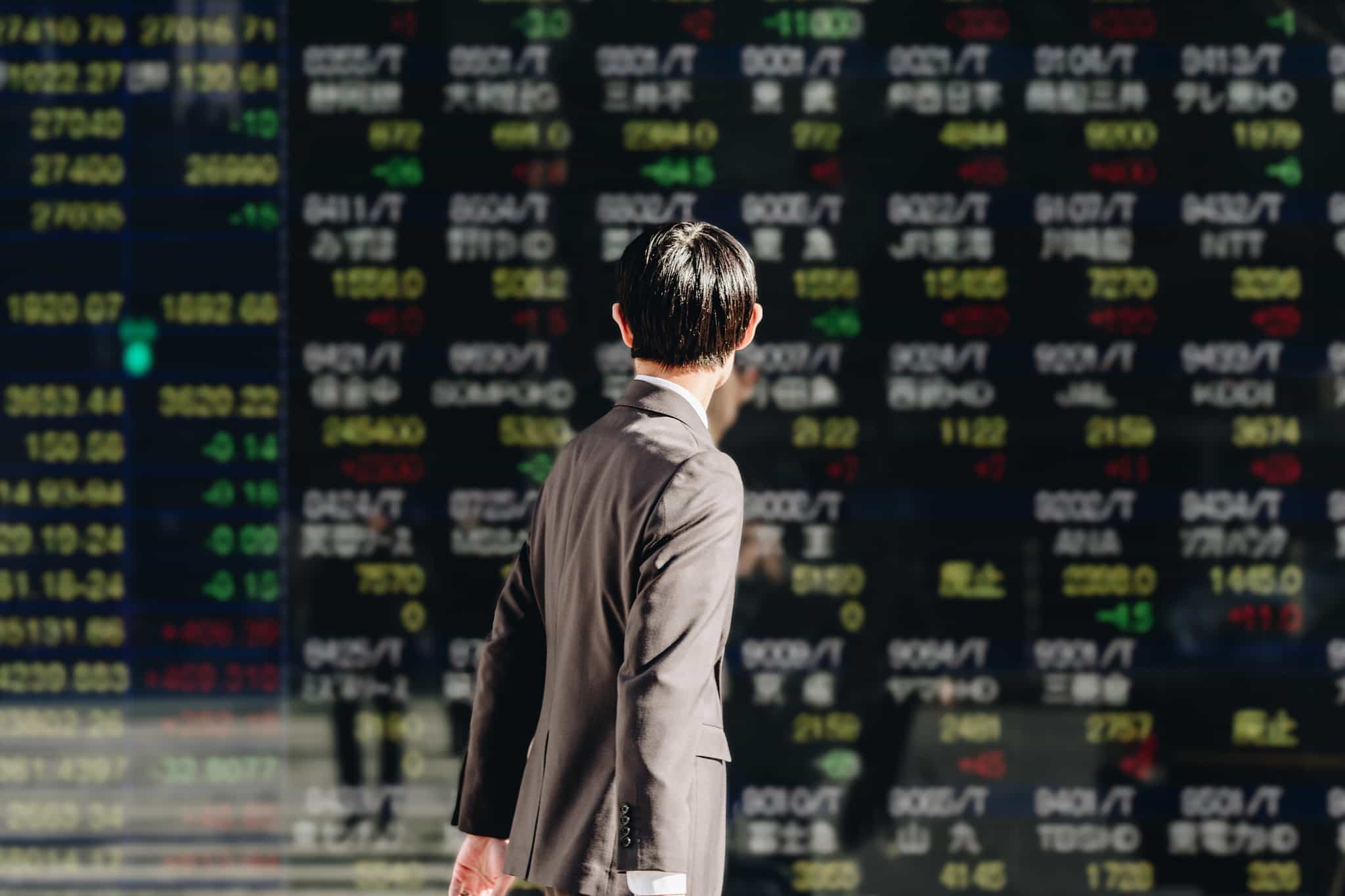
The opinions expressed here are those of the author, a columnist for Reuters. By Mike Dolan, Editor-At-Large, Finance and Markets. The ongoing Middle East eruption shocked Asia's stock markets on Wednesday, with South Korea's Kospi plummeting 12% for its worst day ever and Japan's Nikkei and Taiwan's benchmark each losing about 4%. The Korean won hit its weakest in 17 years, while Seoul and several other Asian centers were forced to suspend trading periodically thanks to the scale of the selloff. Asia's big manufacturing economies are heavily exposed to imported energy products from the Middle East, so both the price rise and supply uncertainty caused by the conflict are alarming. However, there were tentative signs that markets elsewhere are taking a breather, as investors await further developments. Both U.S. and global Brent crude oil prices were up another 3% but held below Tuesday's 8-month and 19-month highs, respectively. Europe's stocks popped up about 0.5% in what looked like a pause after two days of heavy selling. U.S. stock futures were marginally higher too. And the dollar's rise flattened out for the most part, even though government bond yields continued to push higher. Gold and precious metals, unexpected losers this week during the geopolitical shock, regained some ground. The question for oil markets is how long this blockage of Gulf energy exports will last. Western navies are working to provide shipping insurance and possible naval support for energy supplies to exit an effectively closed Gulf — and that may be helping at the margins, although these moves could take some time to have an impact. World markets asking when this energy blockage will abate are having to think in weeks rather than days. The conflict in Iran and across the region is impossible to predict. Many are now focusing on who's set to take over as Supreme Leader following the killing of Ayatollah Ali Khamenei last weekend. Some in markets took heart from a New York Times story that said Tehran officials had made a secret outreach to Washington over the weekend on how to end the conflict. But for investors who think the coast will be clear once Gulf tensions ease, there are plenty of other things to worry about. For one, there's rising concern about private credit funds run by the likes of Blackstone and BlackRock. European gas prices have soared this week on the energy supply disruption in the Middle East and Qatar in particular, hitting their highest levels in three years — almost 20% higher than they were this time last year. As the Iran conflict unfolds, Europe is emerging from the winter with gas storage levels running well below five-year averages. The EU on Wednesday told member states it does not see any immediate impact on the security of natural gas supply.
Teilen