Theme of the Day: Critical mineral demand from AI data centers
von
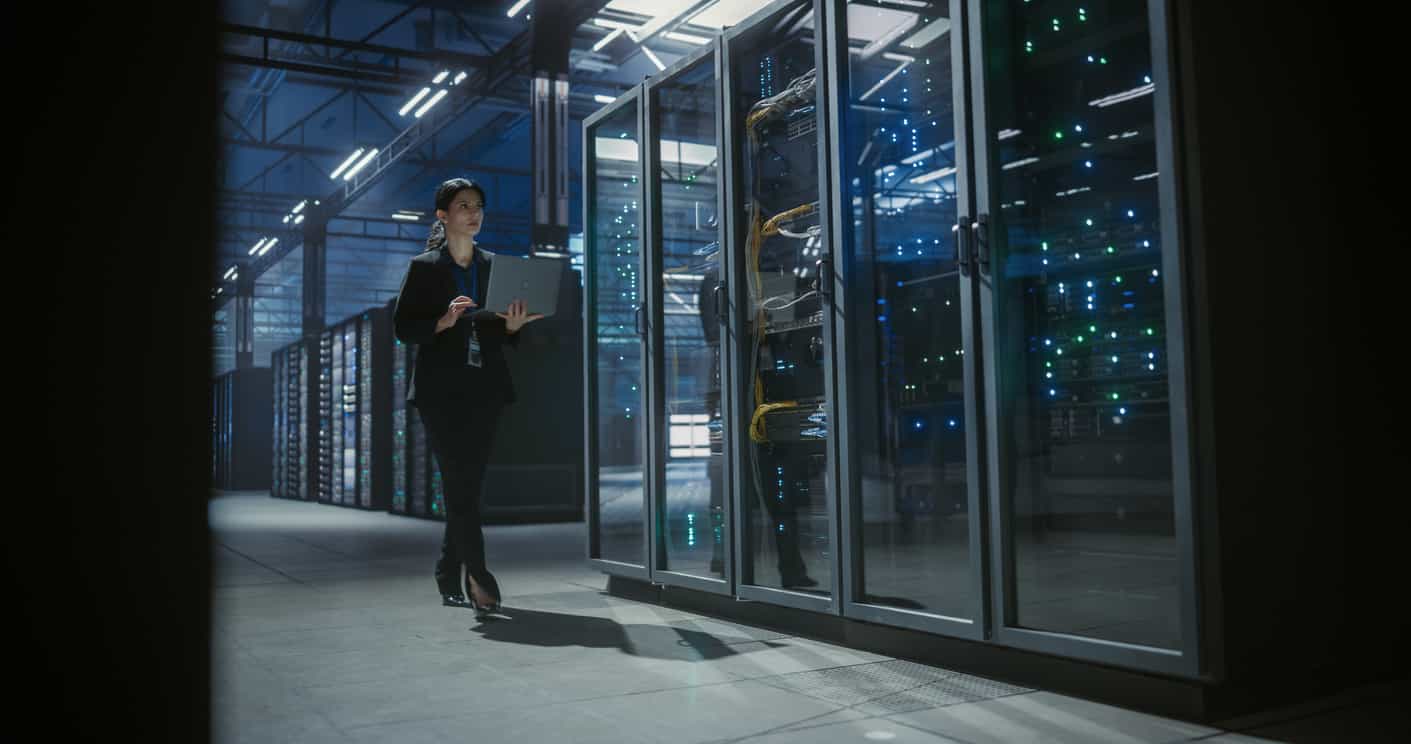
The advent of generative artificial intelligence (AI) represents a profound paradigm shift in computational capability, one built upon the exponential expansion of large-scale, high-density data centers. While public discourse surrounding AI often concentrates on algorithmic progress or the sector's substantial energy footprint, the material underpinnings of this infrastructure remain critically underexamined. These vast facilities, which sustain global AI computation, have emerged as powerful new demand drivers for a suite of critical minerals, linking the digital economy to extractive and manufacturing industries in unprecedented ways. From copper in high-density power distribution and grain-oriented electrical steel in transformer cores to lithium, cobalt and nickel in grid-resiliency batteries, the material footprint of AI infrastructure is both immense and poorly characterised. The International Energy Agency has offered valuable first-of-its-kind estimates of data center mineral requirements, yet the sector's mineral intensity at the component level remains largely unquantified. This analytical gap has significant implications for resource security, supply chain planning and investment strategy, given that AI growth now intersects with multiple critical material bottlenecks already under pressure from electrification and defence applications. To address this gap, the Payne Institute at the Colorado School of Mines has developed a dynamic, bottom-up demand model that translates the physical expansion of AI data centers into granular projections of mineral requirements across 20 materials over an 11-year horizon (2025 through 2035). While recent scholarship has made important strides in establishing the geopolitical linkages, aggregate market sizing and competitive context of AI's material footprint, this work builds upon and extends that emerging literature in three specific methodological directions. First, applying the analytical approach developed for clean energy technologies to digital infrastructure for the first time, it introduces component-level mineral intensity factors (kg/MW and kg/MWh). Second, the framework differentiates mineral demand by data center archetype, distinguishing new AI training facilities from new AI inference facilities and the legacy pre-2025 estate to capture their materially distinct power densities, cooling architectures and equipment profiles. Third, the model treats technology adoption as a time-varying parameter, explicitly connecting shifts in battery chemistry, storage media technology and workload composition to their downstream effects on mineral demand. This multi-layered structure allows the model to disaggregate a data center into its three functionally distinct and materially intensive drivers (compute, thermal management and power infrastructure) to produce a dynamic measure of the material footprint of AI. Each of the 20 minerals included in the analysis is mapped to its physical data center components and corresponding demand driver. The paper approaches AI data center growth as a resource policy problem by linking data center expansion to demand across 20 minerals spanning three infrastructure layers: grid transmission and distribution, facility power and cooling, and server-level compute. It shows that the majority of mineral demand originates in power infrastructure and grid expansion rather than in semiconductors. It then distinguishes between bulk tonnage and processed-form availability and finds that supply risk concentrates in processing bottlenecks for specific mineral forms rather than in raw material volumes. AI infrastructure thus represents a new source of competition for materials already under pressure from grid modernisation and electrification. The model shows that AI data centers are primarily an infrastructure materials story rather than a semiconductor materials story. Copper accounts for roughly 82 to 83% of total modelled mass. Grid transmission and distribution consumes 64% of all copper demand.
Teilen