Theme of the Day: FT Lex - How tin went from baked beans to AI gravy train
von
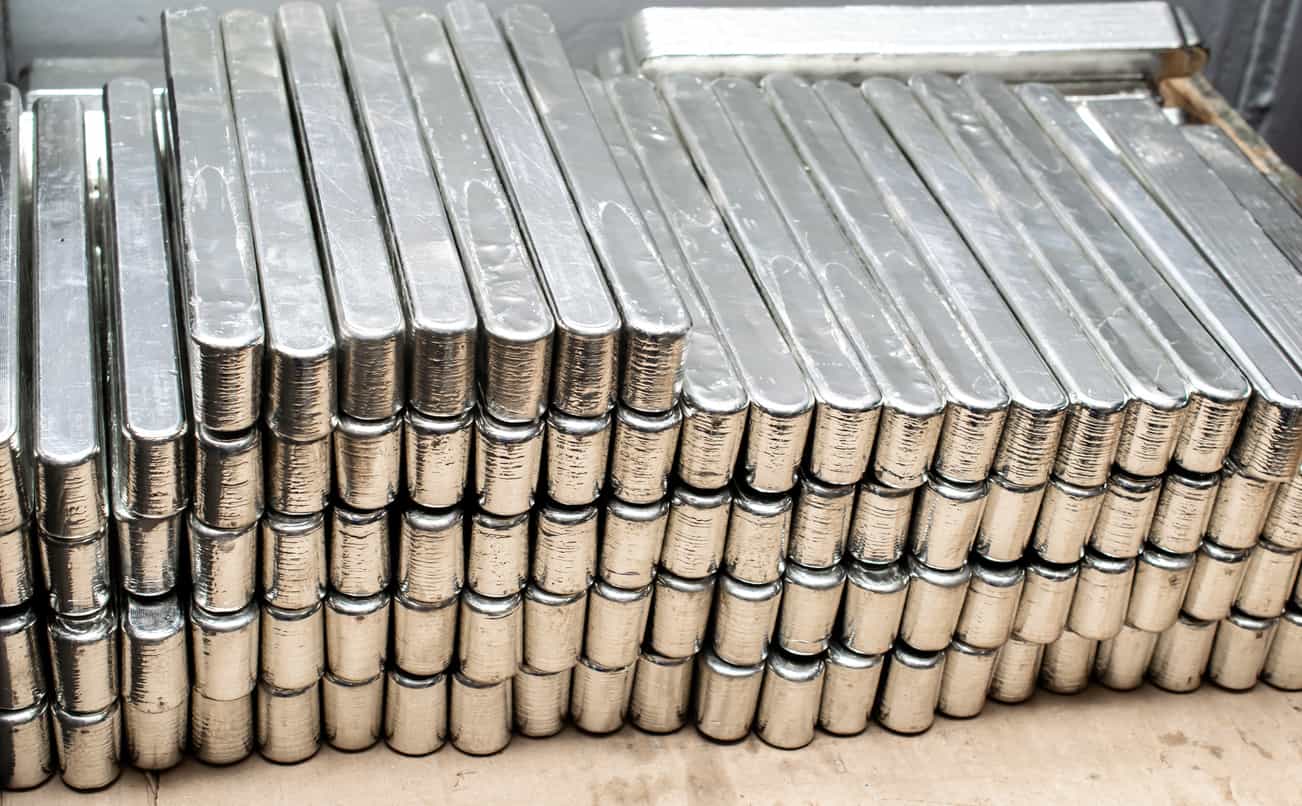
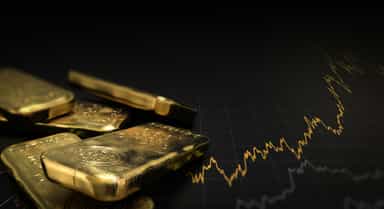
For such a quotidian element, tin has played an outsized role in the march of history: tools in the Bronze Age, canning food to fuel Napoleon's armies and now, as a "compute metal" integral to AI servers. That last of these explains why average tin prices have doubled since 2003, to about $49,000/t, argues the FT's Lex opinion column. AI is famously hungry for compute power and energy. But it also depends on soldering bits of metal together, and it is tin that does the soldering. Racks, power modules, and networking switches: all component parts require glueing. That hangs, in turn, on a supply chain that traverses some of the world's riskier corners. Nearly three-quarters of tin is mined in just three countries, of which the biggest, China, is a net importer. Mines across the border in northern Myanmar, a semi-autonomous region riven with conflict, are hounded by logistical and other obstacles and have yet to resume pre-disruption levels of production. Indonesia meanwhile has slowed export licence renewals, clamped down on illegal smelting, and plans to double its maximum cut to 20%. In the DRC, another mining source, conflict and disease are eroding production. But the industry titans have largely sloughed off any interest in the metal. Investing in producers of any scale is therefore difficult. True, higher prices are prompting some miners to take up their shovels. Aim-listed Cornish Metals seeks to reopen a UK mine in mid-2028, by which time it will have stood idle for three decades; the US may even funnel some funds its way. Governments have also woken up to the importance of tin, although worries about supply security are more typically reserved for polysyllabic rare earth metals. Unlike these, tin actually is pretty rare; there is about fifty times less in the Earth's crust than there is zinc. The UK has gone so far as to place tin on its critical minerals list. Resurgent prices make these bets more viable; Cornish Metals, for example, reckons on extraction costs of $14,500/t, or about one-third of current levels. A US miner, recipient of US Department of Defense funds, aims to build out vertically integrated capacity. Expect more efforts on recycling too: on current miners' expectations there is only 14 or 15 years' worth of tin in the ground. For sure, there will be volatility on the way. But prices look set to keep trending higher — and, as already happened with microchips, those who rely on tin for more mundane electronics will find AI an opportunity that cuts both ways. Tin fell from the record high of $59,000 on 2 Jun, tracking other base metals as a stronger USD and higher interest rates momentarily offset the impact of tight supply and soaring AI demand. Tin's usage in data centres drove industry players to signal that the metal's demand for AI servers will triple by 2030, aligned with soaring demand in Asia.
Teilen