Daily metals
door
This Morning
LME base metals open the week under pressure as the collapse of U.S.-Iran peace talks over the weekend reverses last week's ceasefire optimism. Copper is indicated at $12,742 cash, down 0.6% from Friday's official close of $12,819. Tin is the sharpest decliner, off 1.3% at $47,076 versus Friday's $47,713 close, while zinc has slipped 0.2% to $3,315. Aluminium bucks the trend, firming 0.8% to $3,606 cash as Gulf supply disruption fears intensify. Lead is marginally higher at $1,891 (+0.2%) and nickel is essentially flat, easing just 0.1% to $17,030.
Macro & Geopolitics
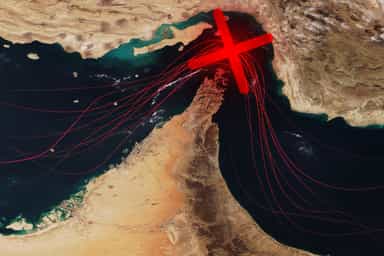
Marathon U.S.-Iran talks in Islamabad ended in stalemate over the weekend, prompting President Trump to announce a U.S. Navy blockade of the Strait of Hormuz — a move that could remove up to 2 million barrels per day of Iranian crude from global supply. Brent crude surged to around $102 a barrel at the Asia open, reigniting inflation fears. Markets have now priced out virtually all Fed rate cuts for 2026, and expectations are building that the ECB and Bank of England may tilt toward rate hikes as energy-driven inflation breaches targets. The euro fell roughly 0.5% to $1.1672 as the dollar reasserted its safe-haven role. S&P 500 futures dropped around 1%, while European futures opened lower. Hungary's forint rallied sharply after Viktor Orbán's election defeat, a result that could unlock EU funding flows.
Base Metals
The failed peace talks have created a two-way pull across the complex. Aluminium remains supported by ongoing Gulf smelter disruptions and supply concerns. Copper, however, is weighed down by the stronger dollar and demand concerns as prolonged conflict threatens global growth. Flooding has suspended rail operations on Angola's Lobito corridor, a key route for Congolese copper and cobalt exports to the Atlantic coast, adding a fresh supply-side wrinkle. Tin's 1.3% drop reflects an unwinding of speculative positions amid the broader risk-off mood, while CME's approval of aluminium and lead warehousing in Hong Kong signals continued efforts to deepen Asian liquidity for base metals contracts.
Precious Metals
Gold fell sharply to around $4,719, down over 2% from recent levels and hitting its lowest since April 7. The stronger dollar and surging oil prices have paradoxically undermined bullion — while inflation typically supports gold, the prospect of central bank rate hikes to combat energy-driven price pressures weighs heavily on the non-yielding metal. Spot gold has now lost more than 11% since the U.S.-Israeli conflict with Iran began on February 28. Silver dropped over 3% to $72.54, while platinum eased to around $2,035. Palladium was a rare gainer, adding around 1%.
Steel
Steel benchmarks on the Shanghai Futures Exchange were mixed to start the week, with stainless steel jumping 1% while rebar and wire rod were flat. Riyadh Steel declared a modest FY dividend of SAR 0.05 per share. European steel markets face headwinds from surging energy costs, with oil back above $100 threatening to compress margins for energy-intensive producers across the continent.
Rare Earth Metals
Vulcan Energy Resources received a five-year royalty exemption from the German state for lithium production, valid until December 2030 — a notable policy signal for Europe's nascent critical minerals supply chain.
Forex
The dollar strengthened broadly as failed peace talks triggered a classic safe-haven bid. The euro dropped to $1.1672, reversing gains from last week's ceasefire optimism. Sterling and the Australian dollar came under particular pressure, falling around 0.5% and 0.7% respectively. The yen weakened to around 159.78 per dollar. For European scrap traders, the weaker euro against the dollar raises the cost of dollar-denominated metal imports and could support euro-denominated scrap prices at the margin, even as underlying LME benchmarks soften.
Watch Today
Goldman Sachs reports earnings before the U.S. open, kicking off Wall Street's Q1 season. U.S. existing home sales data is due at 1400 GMT. Markets will be closely watching for any fresh developments on the U.S.-Iran front, particularly whether the Hormuz blockade triggers an Iranian military response — a scenario that could send oil and the dollar sharply higher and metals into further turmoil.
Deel