Daily Metals
door
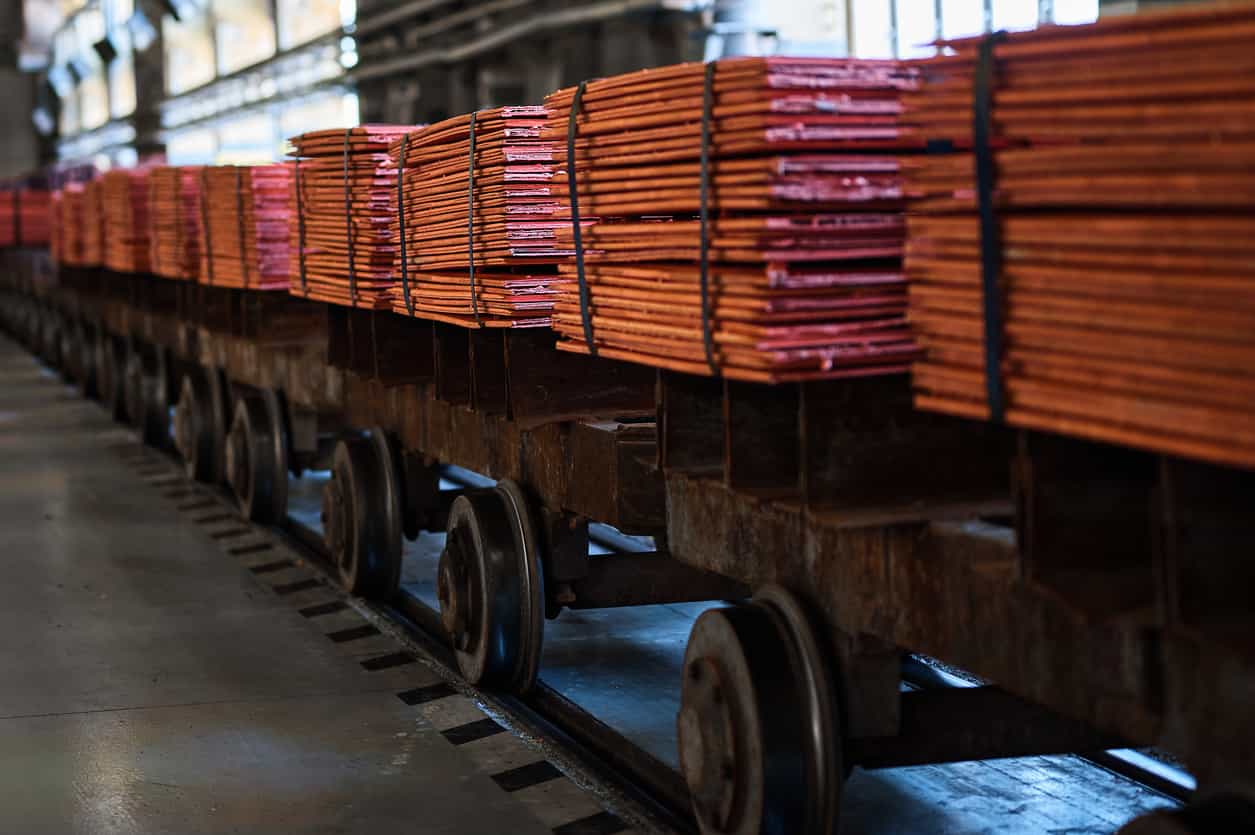
THIS MORNING Base metals opened mostly softer on Wednesday, with four of the six contracts below Tuesday’s official close. Nickel was the clear laggard, dropping 2.2%, while copper and zinc both fell 0.6%. Aluminium eased 0.1%, tin gained 0.1% and lead was effectively unchanged. The stronger dollar weighed on the complex, although tight copper supplies and disruption at an Indonesian nickel hub provided some support. MACRO & GEOPOLITICS European stock markets were expected to open modestly higher after technology shares supported a sixth consecutive session of gains in Asian markets, although momentum had begun to slow. Brent crude remained below $100 a barrel after reports that Saudi Arabia had restarted operations at its East-West pipeline, while uncertainty over Iran and the Strait of Hormuz remained high. US interest-rate expectations continued to support the dollar, with markets pricing a 54% chance of another Federal Reserve increase in October. Chinese President Xi Jinping was due to arrive in Washington later in the day ahead of talks with President Trump, with trade and technology expected to feature prominently. Europe’s flash business surveys were due to provide an important test of regional demand. BASE METALS Copper slipped as dollar strength interrupted a six-session rally. Chinese buying ahead of holidays and smelter shutdowns remained supportive, with the Yangshan import premium still 62.5% above its level at the start of September. Nickel’s 2.2% fall made it the morning’s weakest metal. Water shortages reduced nickel pig iron output at Indonesia’s Morowali hub, but elevated exchange stocks and uncertainty over the effectiveness of Indonesian mining curbs continued to limit confidence. Aluminium edged lower, while European recyclers remained concerned about scrap exports and shortages. Zinc also fell, lead was stable and tin held a small gain. PRECIOUS METALS Gold eased 0.2% to around $4,346 an ounce as the dollar held near a two-month high and investors prepared for interest rates to remain elevated. Silver fell 0.6% to about $66.70, platinum lost 1% to roughly $1,815 and palladium declined 0.5% to around $1,302. Continuing Middle East tensions offered some support to gold, while improved oil flows and hopes of diplomatic progress reduced immediate pressure to seek defensive assets. STEEL Europe’s steel outlook remained mixed. Mercedes-Benz warned that one German assembly plant and one powertrain plant could close unless production costs were reduced, highlighting continued pressure on automotive manufacturing and flat-steel demand. By contrast, Austrian steelmaker Voestalpine expects revenue from its railway systems division to reach €3 billion by 2030/31 as it expands in rail, aerospace and specialist products. Global stainless steel production grew 5% year on year in the first half of 2026, offering some support to nickel demand despite high inventories. RARE EARTH METALS South Korea plans to expand its critical-minerals list from 38 materials to 51, adding 10 rare earths and germanium as it works to reduce supply-chain risks. India’s Lohum is also looking for rare-earth resources in Southeast Asia and is developing a magnet plant in Uttar Pradesh with annual capacity of 1,200 tonnes. These projects underline the growing push to build supply chains outside China, although new mining, separation and magnet-making capacity will take time to reach commercial scale. FOREX The euro remained near a two-month low at about $1.144 as expectations of further US rate increases kept the dollar firm. A stronger dollar raises the euro cost of primary metals and imported scrap priced in US currency, adding pressure for European buyers. Today’s euro-zone business surveys could move the single currency if they show a sharper slowdown or renewed inflation pressure. The yen was around 157.6 per dollar, leaving traders alert to possible Japanese intervention if the exchange rate approaches 160. WATCH TODAY Flash September purchasing managers’ surveys were due from France at 0715 GMT, Germany at 0730 GMT, the euro zone at 0800 GMT and the UK at 0830 GMT, followed by US figures at 1345 GMT. European Central Bank officials Philip Lane and Piero Cipollone were scheduled to speak, along with Federal Reserve Governor Michael Barr. Markets were also due to follow Iranian President Masoud Pezeshkian’s UN address and developments surrounding Xi Jinping’s arrival in Washington.
Deel