Industrial metals under pressure as oil surge fuels inflation, growth worries
door
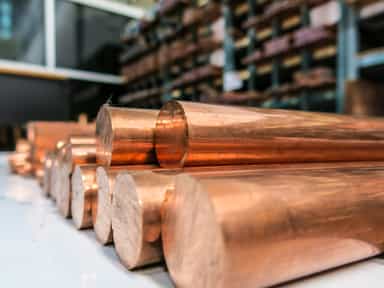
Industrial metal prices came under pressure on Monday as surging oil prices due to the conflict in the Middle East fuelled fears about inflation and global growth prospects, traders said. Benchmark copper on the London Metal Exchange traded up 0.5% to $12,840 a metric ton in official rings due to a softer dollar, which makes metals cheaper for holders of other currencies. It had fallen as much as 0.9% earlier in the session. Investors see copper as a gauge of economic health due to its use in the power and construction industries. Oil prices have jumped more than 40% as the U.S.-Israeli war on Iran continued to disrupt oil production and shipping in the Middle East. High energy prices damage growth by pushing up costs for households and businesses, squeezing spending and profits. They also stoke inflation and force central banks to keep policy tight. Stronger economic data from China helped support sentiment. China's industrial output rose 6.3% year-on-year in January-February and fixed asset investment rose 1.8%. Both readings beat estimates. However, rising copper stocks in warehouses monitored by the Shanghai Futures Exchange suggest subdued demand in China, the world's largest consumer of industrial metals. Copper inventories in LME-approved warehouses have also climbed. Expectations of sluggish demand have widened the discount for the LME cash copper contract over the three-month forward to above $100 a ton from nearly $20 a ton at the beginning of March. Elsewhere, aluminium is expected to hold firm due to shortages created by disruptions to Middle East supply and the closure of the Strait of Hormuz. A prolonged U.S.-Israeli war against Iran could create severe shortages of aluminium used in the transport, construction and packaging industries. The Middle East produces roughly seven million tons of aluminium annually, or about 9% of the global total. Problems with supplies of power - vital for the aluminium smelting process - have prompted production curtailment. Aluminium Bahrain was the latest, initiating a shutdown of three aluminium smelting lines on Sunday, accounting for 19% of its capacity. Aluminium retreated 0.7% to $3,415, zinc lost 0.4% to $3,283, lead fell 0.2% to $1,903, tin gained 2.1% to $48,050 and nickel rose 0.4% to $17,330 a ton.
Deel