Metals Daily
door

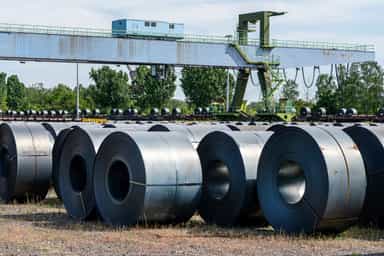
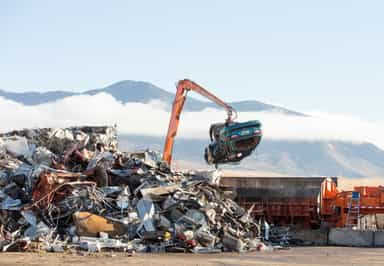
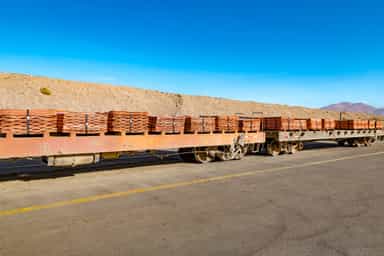
This Morning Base metals were split early on Friday compared with Thursday’s official close. Tin was the biggest faller, down 1.0%, while nickel lost 0.7% and copper eased 0.4%. Lead gained 0.4%, with aluminium and zinc both up 0.2%. The weaker copper and tin readings suggest Thursday’s sharp correction was still shaping early trade. Macro & Geopolitics European metals markets faced another rise in energy and borrowing costs. The European Central Bank raised its key interest rate to 2.50% on Thursday and warned that inflation could remain persistent. Brent crude approached $110 a barrel as fighting restricted traffic through the Strait of Hormuz and Houthi advances threatened Red Sea shipping. U.S. producer prices rose 0.4% in August, lifting the market-implied chance of a Federal Reserve rate increase next week to about 70%. U.S. consumer inflation was due later on Friday. Costlier fuel, freight and credit could squeeze European recyclers and processors while weakening industrial demand. Base Metals Copper remained under pressure after Washington indicated that tariffs on refined imports were not yet certain. The news removed part of the premium built into prices and pushed copper more than 4% below Thursday’s record high, while easing the shortage of immediately available LME metal. Weak July production at Codelco and Escondida still supported the longer-term supply picture. Tin and nickel also fell early, with nickel facing added supply pressure as Eramet restarted operations at its Weda Bay mine in Indonesia. Aluminium, lead and zinc made modest gains, although high energy prices and bond yields remained a threat to consumption. Precious Metals Gold edged 0.3% higher to about $4,327 an ounce but was heading for a third weekly decline, with prices down more than 2% for the week. Silver slipped 0.1% and was around 4% lower for the week. Platinum and palladium rose 0.3% and 0.5%, respectively, although both remained on course for weekly losses. Rising bond yields and expectations of higher U.S. rates were outweighing safe-haven demand. Continued buying by Poland’s central bank offered some longer-term support to gold. Steel A planned lower-carbon steel feedstock complex in Benghazi could eventually add significant Mediterranean supply. The Turkish-Libyan project is designed for annual production of 8.1 million tonnes, with its first phase, producing about 2.7 million tonnes a year, due to begin commercial operations in early 2028. About 90% of output is intended for export, putting Europe among the potential markets. Nearer term, Volkswagen’s plans for major job cuts and possible German plant closures underline weak conditions in the European car industry, an important buyer of steel and recycled metal. Forex The dollar held firm after gaining 0.4% on Thursday, supported by higher U.S. Treasury yields and growing expectations of a Federal Reserve rate increase. The euro was little changed after the ECB’s quarter-point rate rise, as traders focused on expensive energy and the risk of weaker European growth. A stronger dollar increases the euro cost of metals priced in the U.S. currency. Further sharp moves were possible after Friday’s U.S. inflation figures, particularly if they changed expectations for the Federal Reserve’s meeting the following week. Watch Today UK July economic growth, industrial production and trade figures were due during the European morning. U.S. consumer inflation was scheduled for release at 12:30 GMT, followed by preliminary University of Michigan consumer sentiment and inflation expectations at 14:00 GMT. The U.S. data could move the dollar, bond yields and metal prices before the European close.
Deel