Theme of the Day: A different kind of Supercycle
door
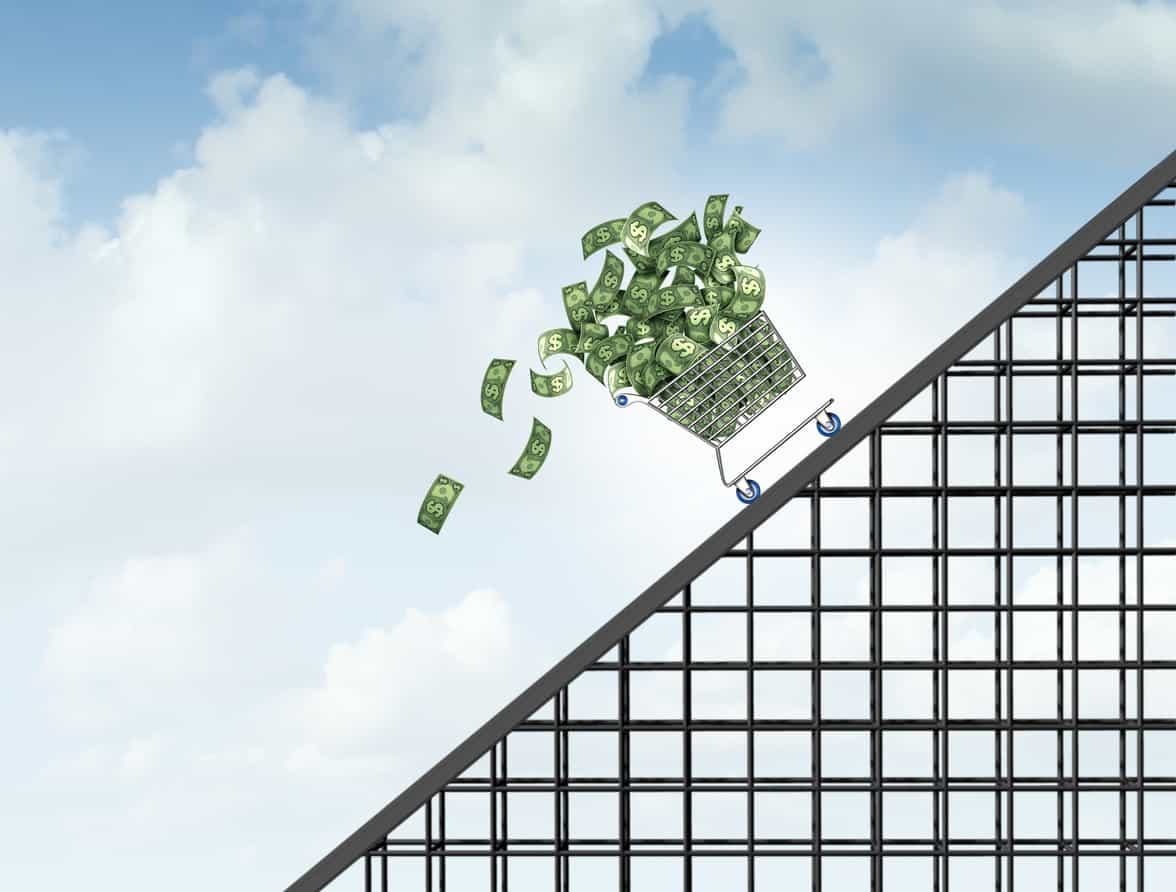
ICMM’s Rohitesh Dhawan speaking at the 35th BMO Conference on a new Supercycle shaped by rising demand, constrained supply, and mining’s duty to deliver lasting value. With the benefit of a year of extraordinary change in 2025, I think it is important to ask the question again – are we in a Supercycle? In many ways, the question is more important than the answer – for it forces us to raise our gaze from company-by-company quarterly results to the macro forces shaping our sector. And so, for the sake of good debate over the next two days, let me venture an answer and say yes, I believe this is a supercycle – but more importantly, that it is different to all the others we’ve seen before. Allow me to explain. We have multiple, long dated demand drivers arriving at once: energy transition and electrification; defence; supply chain reshoring; and digital and data centre infrastructure. These are not short term cycles. They are policy backed, capital intensive, multi decade shifts that impact all commodities. And importantly, these demand drivers are cumulative. They don’t replace one another – they stack. At the same time, supply is structurally slower: permitting takes longer, capital is more disciplined, social license is harder to gain and maintain, and geopolitical risk fragments production. All of that means that new projects take longer to approve, longer to build, and face more sources of delay than at any point in recent history. Historically, this combination – persistent demand meeting slow supply response – is exactly how supercycles begin. And that is why the supercycle argument feels intuitively right. Where this cycle diverges is in how tightly it is managed. In every historical supercycle, one dynamic dominated – markets ran ahead of politics. Think of US industrialisation or China’s urbanisation. In all these cases, demand overwhelmed supply, prices surged, and governments reacted late. Today, the cycle is happening inside the boundaries of politics. Demand drives are more planned, budgeted, and staged. And supply is mediated by permitting, ESG expectations, and geopolitics. Governments are intervening relatively early in the cycle – through stockpiles, export controls, offtakes, and fiscal mechanisms. This matters because it changes the shape of the cycle. So, instead of explosive price spikes, followed by overshoot and eventual collapse – we are likely to see persistent tightness and fewer avenues for uncontrolled expansion. Prices have and will continue to rise enough to regulate supply – but will be managed so as to not allow the system to run away. For investors, this is not a subtle difference. It changes the distribution of outcomes. Upside is flatter but more durable. Downside is more political. And duration matters more than timing. So, when we ask whether this is a supercycle, my answer is: Yes – but it’s a fundamentally different one. Not a supercycle of excess. A supercycle of constraint. Not a supercycle defined purely by price. A supercycle defined by how reliably value is created and shared over time. The world will need significantly more mining in the decades ahead. This supercycle will be judged not just by how much is produced – but by how responsibly and consistently it can be delivered.
Deel