Theme of the Day: Nickel surpluses are diminishing - INSG
door
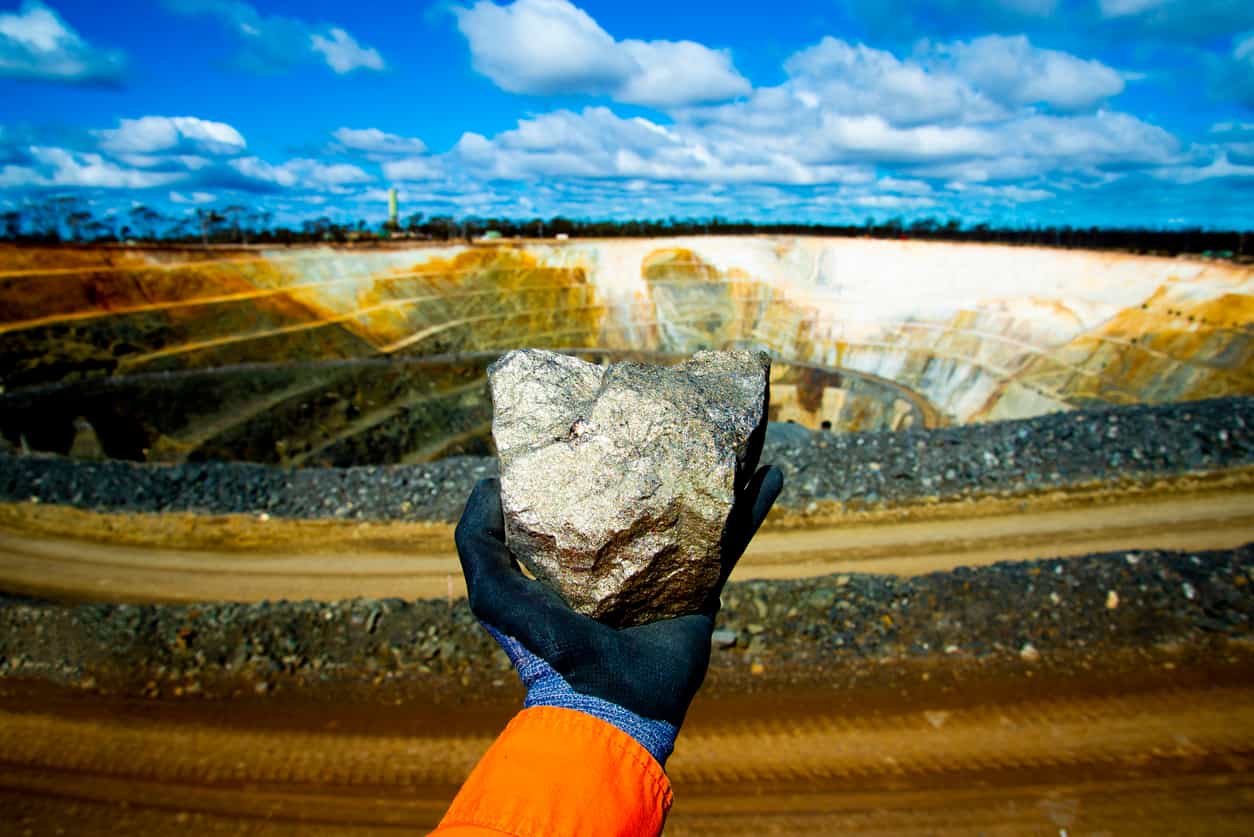
The International Nickel Study Group (INSG) held meetings on 20 and 21 April 2026. Government and industry representatives from member countries, observers and several international organizations participated in the meetings and extensively discussed current nickel market trends. INSG acknowledges a degree of uncertainty in these figures, particularly with regard to Indonesian production levels and the evolving impact of the Middle East conflict. Global growth remained resilient in 2025, supported by technology-related investment and fiscal and monetary policy measures across major economies. However, the outbreak of conflict in the Middle East in late February 2026 is weighing on energy markets and inflation expectations, and global growth is now projected to slow in 2026. The implications for metals markets, in terms of both production and end-use demand, are still unfolding and have yet to be fully assessed. The stainless steel sector recorded growth in 2025 and is projected to expand further in 2026. Meanwhile, nickel's role in the battery market has grown more gradually than anticipated, with lithium iron phosphate (LFP) chemistries capturing a larger market share and demand for plug-in hybrid vehicles outpacing that for fully battery-electric vehicles. World primary nickel usage was 3.265Mt in 2023, 3.473Mt in 2024 (+6.4%) and 3.596Mt in 2025 (+3.5%) and is forecast to increase to 3.747Mt in 2026 (+4.2%). World primary nickel production was 3.439Mt in 2023, 3.589Mt in 2024 (+4.4%) and 3.880Mt in 2025 (+8.1%) and is forecast to reach 3.715Mt in 2026 (-4.3%). The estimates do not include an adjustment factor for possible production disruptions. Indonesia, the world's leading nickel producer, has introduced additional measures in 2026 to more closely regulate its mining sector. The approved nickel ore mining quota (RKAB) for 2026 has been set at a significantly lower level than in 2025. However, the quota remains open to upward revision, with permit holders eligible to submit one amendment request, subject to the government's supply-and-demand assessment. Additionally, a newly revised benchmark price mechanism (HPM), effective April 15, raises the base price across all ore grades and incorporates cobalt, iron, and chromium into the pricing formula for the first time. Previous HPM rates have failed to reflect the real market conditions, with spot transactions consistently trading at a significant premium. This reform is meant to align the benchmark more closely with actual transaction values, eliminating the disparity between benchmark prices and market spot rates, according to SMM. SMM added that the Indonesian nickel ore trade is currently navigating a cautious transition phase following the abrupt implementation of the new HPM regulations. Despite the official shift in the formula, mid-April market transactions largely continue to follow the legacy "Old HPM + Market Premium" mechanism. This suggests a significant lag in adoption as the industry works to reconcile existing commercial agreements with the newly mandated multi-element pricing structure and elevated correction factors. The implicit market balances are therefore surpluses of 175kt in 2023, 116kt in 2024, 283kt in 2025, and -32kt in 2026. Nickel remains underpinned by a tight supply backdrop and a structurally supportive policy environment in Indonesia. The earlier rally had been driven by tightening supply narratives and Indonesia-linked policy signals, including expectations of higher export-related costs and windfall taxes that reinforced a higher cost floor for the nickel industry. Sentiment was also supported by elevated official reference prices and strong momentum in refined nickel contracts, which had pulled the broader complex higher.
Deel