Theme of the Day: The war and markets
door
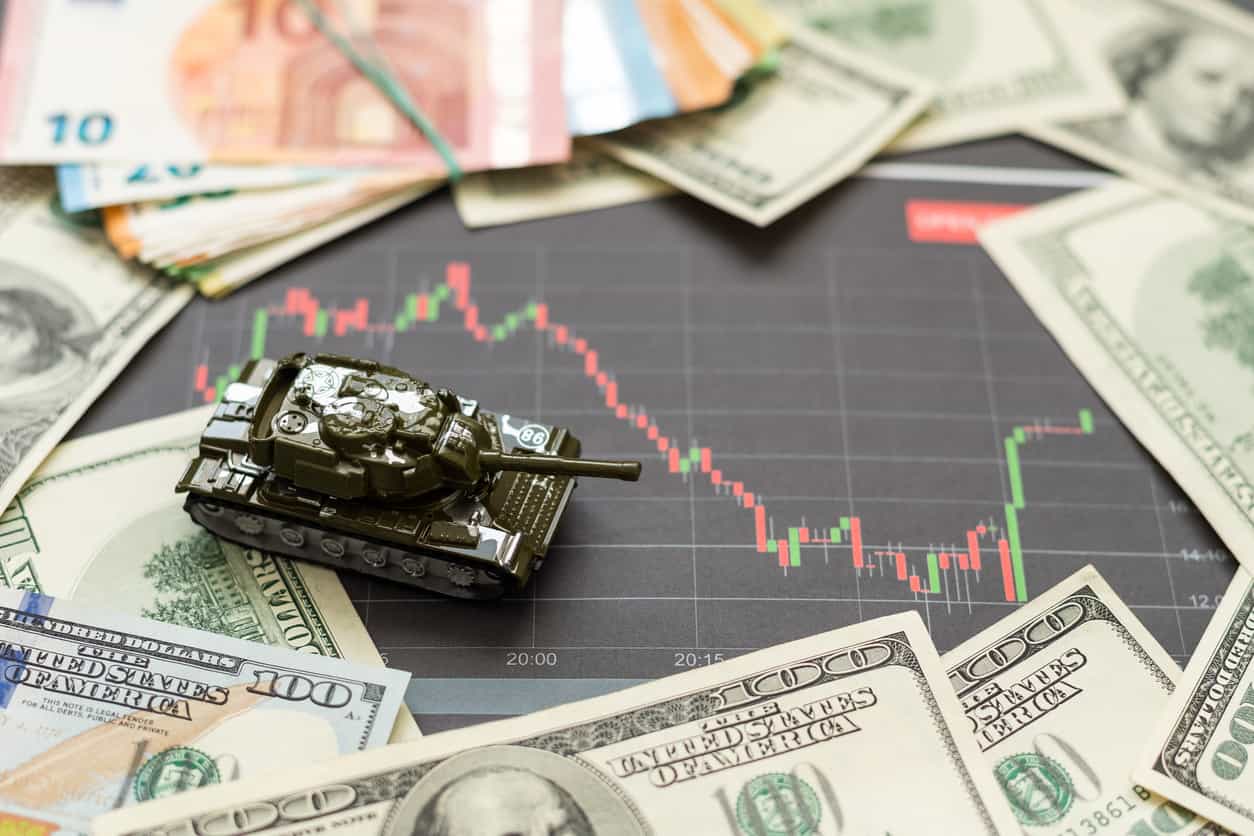
Oil and gas prices surged, and global stocks fell as the widening conflict in the Middle East disrupted energy supplies from the region and threatened to hit the global economy. In a significant escalation of Iran’s initial retaliation to the US and Israeli strikes, one of Saudi Arabia’s largest oil refineries (Ras Tanura) was forced to shut following a drone attack while the world’s biggest liquefied natural gas plant in Qatar was also targeted. Analysts warned that the twin attacks raised the spectre of a prolonged rise in oil and gas prices as Tehran took aim at energy infrastructure across the Gulf. Broad consensus is that the “hot” phase of this conflict will be short. The argument is, very roughly, that Trump is eager to declare victory and walk away, Iran is at an immense military disadvantage, and that neither side has a bottomless supply of missiles, drones, and interceptors. So, the big risk is the rising probability of a longer conflict. The quick action in Venezuela and the Jun strikes against Iranian nuclear facilities, neither of which made any lasting mark on markets, are at the front of investors’ minds. But the current offensive is more ambitious, and it appears that dragging out the conflict is one of Iran’s strategies. The USD and gold: both up a bit, as safe havens, with the mild proviso that gold has become a bit less of a safe haven and more of a speculative asset now that it is more expensive in real terms, relative to its own history, than ever before. So, its usefulness as a measure of fear has declined. US Treasuries: also, up a bit on flight to safety, but some geopolitical risk may have already been priced into the long end of the yield curve (as we discussed last week). With the 10-year yield below 4%, Not sure how much more room there is for higher prices/lower yields. Oil: up, for obvious reasons, but most observers think that $5-$10 of Iran risk is already in the $73 price. So, in the short term the rise might be moderate — another $5-$10 perhaps? About a fifth of the world’s entire supply of oil and large volumes of natural gas flows through the Strait of Hormuz, which is now almost closed to traffic. Analysts reckon that oil prices could go as high as $120/barrel if the conflict doesn’t calm down quickly. Most commentary about whether oil prices will rise sharply enough to notably increase inflation and decrease growth — reaching $100 or more — centre on whether the Strait of Hormuz stays open or closes. The bigger threat is that Iran does severe damage to the region’s upstream oil infrastructure, which would do much longer-lasting damage to supply and cause a bigger price response. Metals: watch for a possibility of a quant reversal in long metals/short energy trade which could easily be triggered by broader risk-off and quant reversals in AI stocks, global equities, crypto, gold, etc. US stocks: Lately the market has been looking for excuses to fall. So: more expensive oil pushes inflation up; higher inflation means higher bond yields; high bond yields threaten stock prices. Every sustained $10/barrel rise knocks roughly 10-20bp off growth over the following year. Oil at $120 staying there would deal a serious blow to the US and global economy. A surge in energy prices risks reigniting inflation in major economies, derailing central bank rate-cutting plans and shaking business confidence. However, despite all the litany of geopolitical events recently, the level of growth in the global economy and trade has been incredibly resilient.
Deel