Theme of the Day: WGC Gold Demand Trends Q126 - Bar and coin buying drove Q1 demand
door
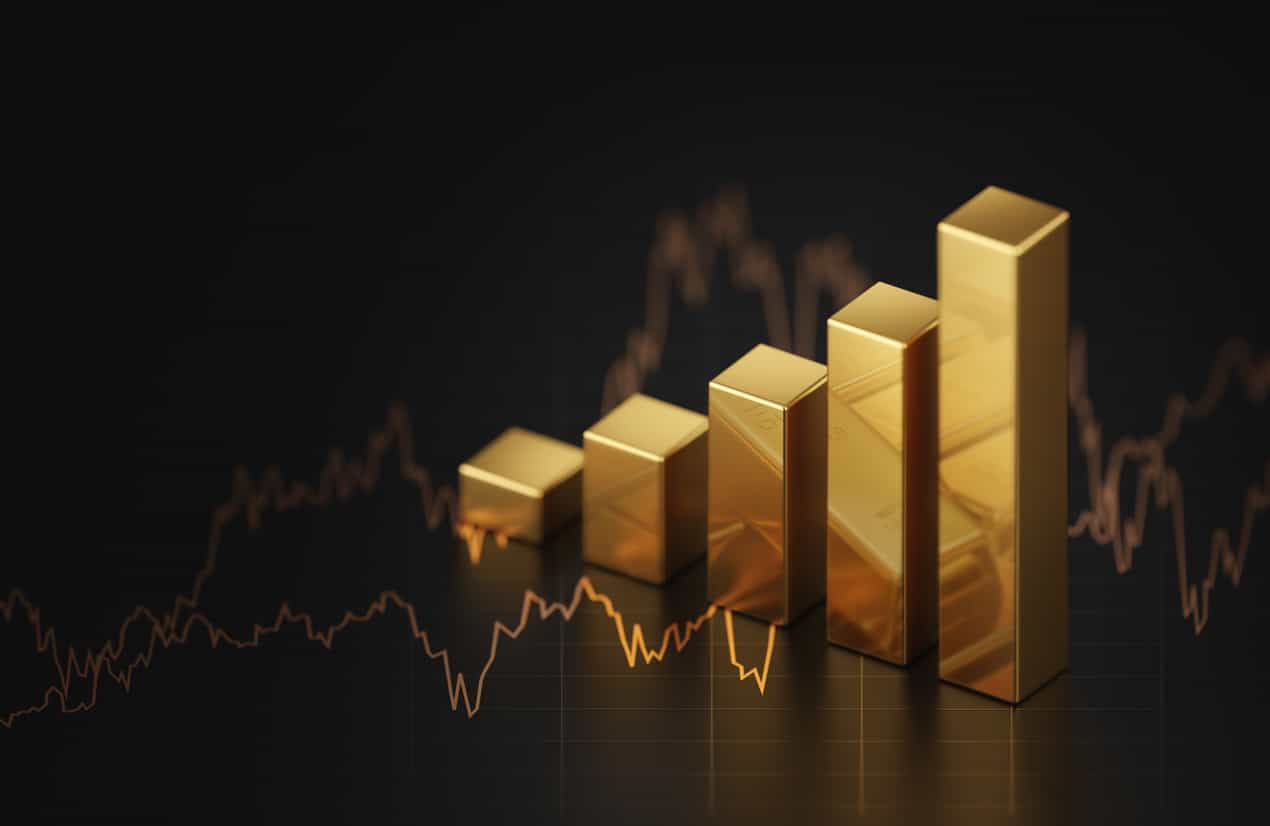
Global gold demand hit a new record high value, said the World Gold Council (WGC). Investment demand now far exceeds fabrication. Weaker jewellery demand alongside growing investor interest in gold has changed the composition of demand in recent years. Total Q1 gold demand, including OTC, was 2% higher y/y at 1,231t. This modest growth in volumes, combined with gold's exceptional price rise, generated a 74% jump in the value of quarterly demand to a record $193bn. The LBMA (PM) gold price set a new quarterly average record of $4,873/oz. The price hit a historical high of $5,405/oz in Jan, followed by a notable correction. During Q1, the gold price returned 6%. Bar and coin demand of 474t (+42%) was the second highest quarter on record. Asian investors led the charge, hoovering up gold investment products. But the value of demand demolished all previous records, rocketing to $74bn. For context, quarterly demand for the prior five years averaged $23bn. Buying of gold-backed ETFs continued in Q1 (+62t), but at a lower rate than the very strong Q1 25 (+230t) following sizable outflows from US funds in Mar. Global holdings increased by 62t in Q1, albeit at a far slower pace than the 200t average of the previous four quarters. Inflows of $12bn lifted total global AUM to $607bn, 9% above FY25 levels. Amid record high gold prices, jewellery demand volumes remained under pressure (-23% y/y), while levels of spend again increased (+31%), signalling continued positive sentiment towards gold jewellery. Central banks bought 244t (+3% y/y) of gold on a net basis in Q1 despite a visible uptick in selling activity during the quarter. Poland (31t) and Uzbekistan (25t) led buying in Q1. Reported sales also increased, specifically from Turkey, Russia and SOFAZ. Based on the strong start to the year, we expect central banks to contribute meaningfully to global gold demand going forward, as geoeconomic uncertainty stays elevated and reserve-diversification incentives remain intact. Demand for gold used in technology edged 1% higher to 82t, fuelled largely by the continued growth in AI infrastructure. Gold used in industrial applications grew 1% y/y in Q1 to 82t. Electronics, the largest area of industrial gold use, drove gains in the sector, with a 3% y/y increase to 69t, the highest since Q4 2021. The supply of gold increased in Q1 by 2% y/y to 1,231t. Modest growth in mine production together with a 5% uptick in recycling generated the increase. Recycling has started to pick up, perhaps partly on concerns about gold's volatility and the squeeze on consumer wallets from higher energy prices. A prolonged stand-off between the US and Iran could elicit more selling back. And supply from India could jump if collateralised loans come under pressure. But if gold prices stabilise, and particularly if the path to higher prices looks to be more certain, the Q1 bump in recycling will more likely be a one-off. Net producer de-hedging continued in Q1, marking the ninth successive quarterly decline in the aggregate producer hedge book. Outlook: Geopolitics remain front and centre in our outlook for gold demand in 2026. Our view remains that investment and central bank demand will be supported by ongoing geopolitical risk, with further investment impetus from elevated inflation and persistent high gold prices. Jewellery demand will remain under pressure for similar reasons, albeit that spending will likely remain resilient.
Deel