Theme of the Day: Blackrock update on copper
by

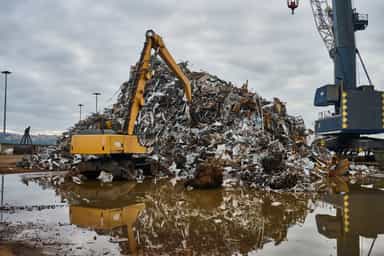
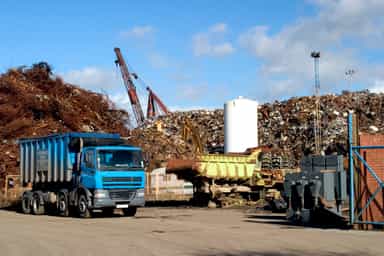
Copper prices have gained around 45% over the past year, to hit $14,500/t. We believe there could be further to go. Many commodities analysts think the price could keep climbing, with some forecasting $22,000/t next year. Deutsche Bank notes warning of a tighter liquidity squeeze pushing prices as high as $22,050/t by Q22027 due to historic lows in global inventories and strategic stockpiling - driven by high accumulation in China's strategic reserves and US imports tied to tariff concerns. Accelerated national stockpiling could result in those two nations controlling roughly 71% of global copper supplies by the end of the year, leaving the rest of the world competing for a dwindling pool of available metal. It does not view a price spike as an isolated, temporary event. The bank projects average copper prices of $20,900/t across 2027, before settling at an average floor of $18,500/t in 2028. Developing a new greenfield copper mine from initial exploration to commercial production routinely takes 15 to 18 years. With mine outages and force majeure events hitting key operations in recent years, the global buffer has eroded to historic lows. We also see higher prices, for the following reasons: Long-term copper demand is expected to rise due to the pace of global electrification, driven by AI power needs and the energy transition. And shorter-term factors have also boosted demand: stockpiling in the US ahead of potential import tariffs, and the expansion of global manufacturing output. Meanwhile, supply is struggling to keep up. World copper mine production declined by 1% in the first 7 months of 2026, according to the ICSG. Supply remains constrained. Years of capital discipline, combined with permitting delays, operational disruptions, and structurally longer development timelines, continue to limit the industry’s ability to respond quickly to rising demand. The cost of copper production is rising because mines are becoming older, deeper and harder to operate. Many of the world’s largest mines are closed for geological or political reasons. The most recent example is the Panama government ordering the shutdown of the Cobre Panama mine. We are closely monitoring energy supply shock risks, including the impact of higher inflation on cost structures within the sector. The cost of opening new mines has also increased due to regulatory complexities and the challenge of building significant infrastructure in more remote locations. Prices as high as $30,000/t may be needed to justify certain new projects. Finally, more than 3Mt of recycled copper will be needed by 2030 if supply is to keep up with demand, and prices will have to rise to incentivize this scrap supply. Copper-related equity prices already reflect these trends to an extent, particularly given the US stockpiling, but we believe the market still underestimates the size of the potential imbalance between supply and demand over the coming years.
Share