Daily Metals
by
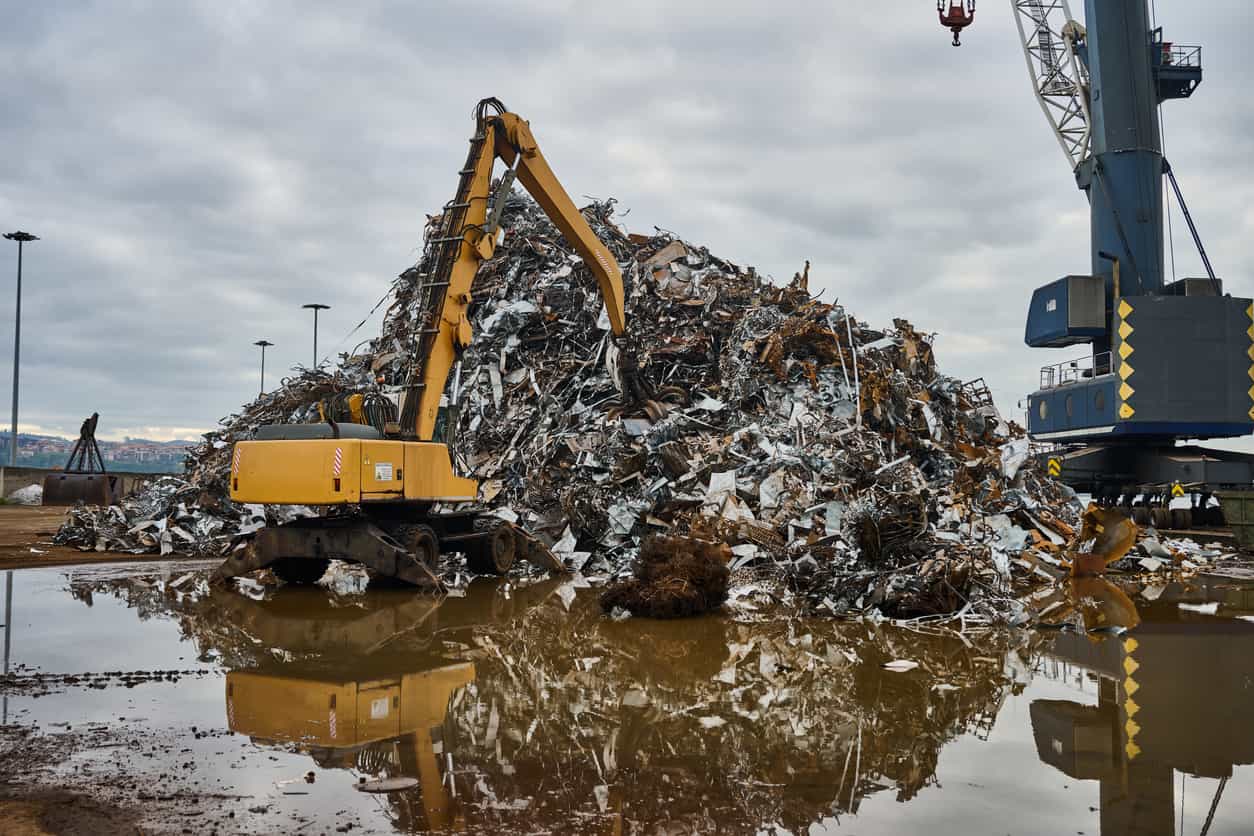
THIS MORNING Base metals are higher across the board at the start of Friday. Tin and aluminium lead the recovery, both up about 1.4% from Thursday’s official close, at $51,995 and $3,078 a tonne, respectively. Zinc has gained 1.1% to $3,760, while copper is 0.6% higher at $14,400 and nickel is up 0.3% at $15,405. Lead is virtually unchanged at $1,820. MACRO & GEOPOLITICS Market conditions remain unsettled as high energy costs, expensive borrowing and concern over heavy government debt compete with hopes of easing Middle East tensions. Brent crude has eased to about $103 a barrel after Thursday’s sharp rise, following a US pledge not to attack Iran before the November midterm elections, although traders remain cautious. The US 10-year Treasury yield is near 5.23%, still close to a 24-year high. France’s finances remain a major concern for European markets, while large funding plans for artificial-intelligence infrastructure are adding to competition for investment capital. BASE METALS Copper has the clearest fundamental support, with Chinese import demand strengthening after the holiday and available stocks outside the United States remaining tight. The Yangshan copper premium, a gauge of China’s appetite for imported metal, rose to $125 a tonne, its highest since November 2022. Copper prices are also being supported by disruptions at mines in Chile and elsewhere. A strike at Chile’s Centinela copper mine could cut production by as much as half in November, unions said, although Antofagasta has maintained its production guidance and previously downplayed the impact. Ivanhoe Mines reported that third-quarter copper production at its Kamoa-Kakula mine in the Democratic Republic of Congo rose 19% from the previous quarter, but the company said annual output was trending toward the lower end of its guidance range. Aluminium and nickel are also benefiting from a broader recovery in industrial metals, although supply and demand conditions differ across the markets. Indonesia has launched or announced billions of dollars in nickel- and aluminium-related projects, including facilities for battery materials, electric-vehicle batteries and aluminium production. The country remains the world’s leading exporter of nickel products. Lead and zinc are posting more modest gains, while tin’s advance is the strongest among the major base metals. A weaker dollar and easing oil prices are providing some support, but elevated energy costs and high interest rates continue to threaten the outlook for global industrial demand. OUTLOOK Investors will continue to monitor Chinese demand after the week-long holiday, mine-supply disruptions and developments in the Middle East. Persistent strength in copper premiums and tight exchange inventories point to near-term supply constraints, but the broader metals complex remains vulnerable to higher energy prices, rising bond yields and signs of weaker global growth.
Share