Daily metals
by

This Morning
LME base metals are broadly firmer this morning, led by tin (+1.3%, +$590) and nickel (+1.2%, +$199), with copper gaining 1.1% (+$128) versus Tuesday's official close. Lead and zinc posted modest gains of 0.8% and 0.9% respectively. Aluminium is the sole decliner, slipping 0.6% (−$21). The moves come amid renewed hopes of a Middle East ceasefire after reports that Washington sent Iran a 15-point settlement proposal, though Tehran has denied direct talks are taking place.
Macro & Geopolitics
Reports that the U.S. has sent Iran a 15-point plan to end the war and is seeking a month-long ceasefire have lifted risk sentiment overnight, sending Brent crude down 5% to around $99 and S&P 500 futures up 0.7%. However, Iran denies direct negotiations, and Israeli strikes on Tehran continued Wednesday, keeping markets cautious. Euro zone PMIs released Tuesday showed private sector growth nearly stalling in March as inflation expectations surged and delivery times soared — clear evidence the conflict is already dragging on European economic activity. Interest rate markets continue to price in hikes from both the ECB and Bank of England in coming months, with no further Fed cuts expected this year. UK CPI data and the German IFO index are due today and will be closely watched for further signs of inflation pass-through.
Base Metals
Copper rebounded 1.5% on the SHFE and 1.1% on the LME overnight as the softer dollar and ceasefire hopes improved sentiment. However, LME copper stocks at 359,275 tonnes — the highest in nearly eight years — and a cash-to-3-month contango of around $92 continue to weigh. Citi has slashed its 3-month copper target to $11,000 from $14,000, warning metals will grind lower while the Strait of Hormuz remains closed. Aluminium dipped slightly this morning but remains well-supported near $3,240; Goldman Sachs raised its Q2 aluminium forecast to $3,200, citing around 850,000 tonnes of supply losses from Gulf smelter curtailments (Qatalum at 60% capacity, Alba idling 19%) and the Mozal shutdown. Goldman now projects a sharp 900,000-tonne deficit in Q2. Tin surged over 4% in Shanghai, the strongest performer.
Precious Metals
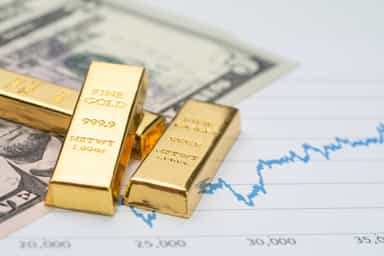
Gold climbed over 2% to around $4,570 as the dollar eased and falling oil prices reduced fears of aggressive rate hikes. The metal remains roughly 17% below pre-conflict levels after its worst monthly performance since 1983. JP Morgan noted the selloff has historically been a tactical buying opportunity. Silver jumped 3% above $73, while platinum breached $2,000 for the first time in the session. Palladium gained modestly. Commerzbank called the recent gold slump "as much of an overreaction as the massive rise at the start of the year."
Steel
Global crude steel production fell 2.2% year-on-year to 141.8 million tonnes in February, with Chinese output dropping 3.6% to 76.1 million tonnes. Beijing has reiterated its commitment to reducing steel output, reinforcing expectations of weaker demand. Ukraine's nominal steel capacity has collapsed 81% since 2013 to just 8 million tonnes per year, with ArcelorMittal Kryvyi Rih closing two rolling mills citing the energy crisis. The global zinc market swung to a 9,200-tonne surplus in January, while the lead surplus narrowed to 9,700 tonnes.
Rare Earth Metals
Germany and South Korea face growing exposure to rare earths supply shortages as the U.S. and Japan lock up available non-Chinese production, according to Arafura Rare Earths CEO Darryl Cuzzubbo. Lynas recently signed long-term supply deals with Japan and the Pentagon, while MP Materials' Mountain Pass output is largely secured by Washington. Arafura is negotiating final offtake agreements for its Nolans Project (4,440 tonnes/year NdPr oxide, targeting 2029 start-up) and reports increased urgency from European and Korean buyers. Australia announced its critical minerals strategic reserve will include a floor price mechanism, with A$1.2 billion in funding expected to be operational by H2 2026.
Forex
The dollar eased modestly overnight, with EUR/USD trading around $1.1594–1.1620, as ceasefire hopes reduced safe-haven demand. The greenback had strengthened on Tuesday as oil rebounded and Treasury yields rose. The euro remains under pressure from deteriorating euro zone growth data and expectations of ECB rate hikes to combat energy-driven inflation. Sterling slipped to $1.34 ahead of today's UK CPI release. Asian currencies firmed, with the Korean won gaining 0.5%. Deutsche Bank notes that central banks in Asia and the Middle East may run down dollar reserves to finance higher import bills, which could cap further dollar strength.
Watch Today
UK February CPI and the German IFO business sentiment index are the key European data releases this morning — both will be scrutinised for evidence of war-related inflation pass-through. ECB President Lagarde speaks at the "ECB and its Watchers" conference alongside policymakers Rehn, Lane, and Kocher. The U.S. Treasury auctions $70 billion in 5-year notes this afternoon, following Tuesday's weak 2-year sale that pushed yields sharply higher.
Share