Blockade takes its toll
von
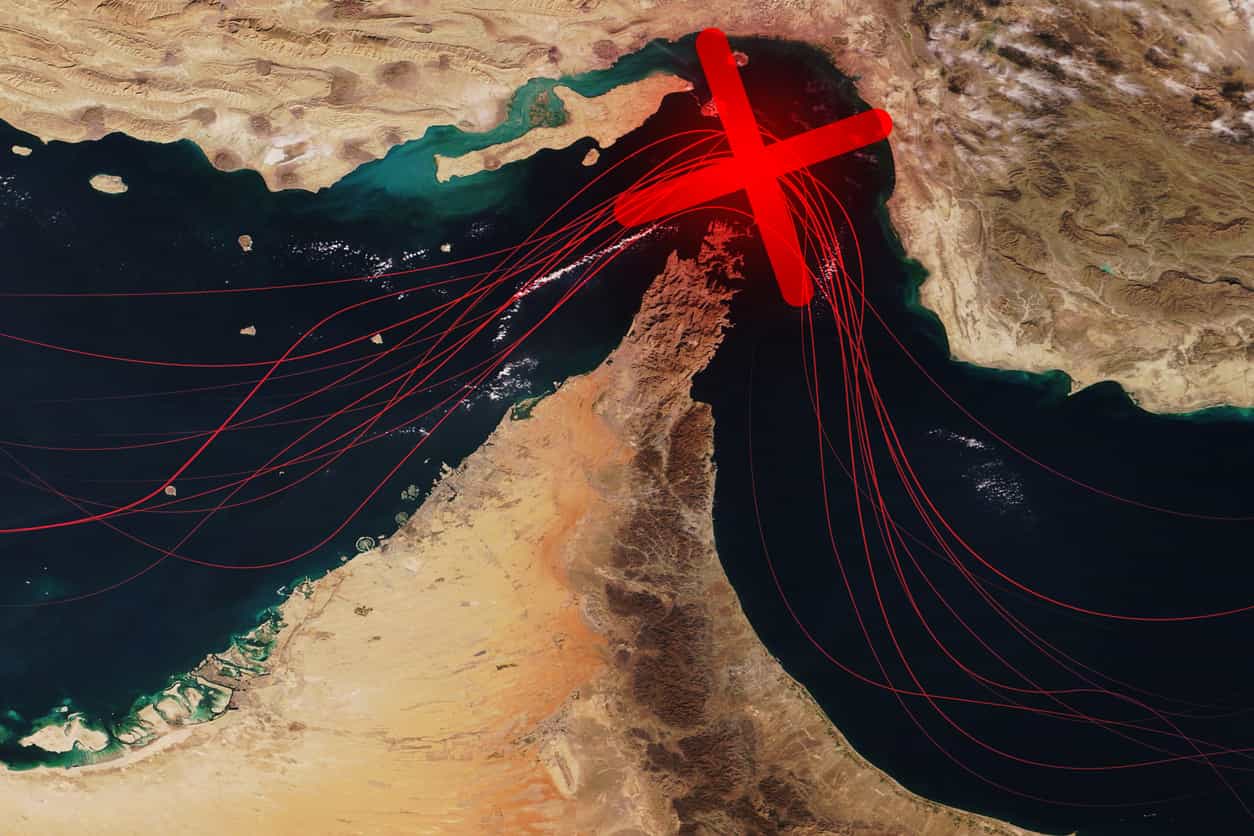
Oil prices zoomed back above $100 a barrel and global stocks were shaky on Monday as U.S. President Donald Trump sought to blockade traffic to and from Iranian ports in the critical Strait of Hormuz after peace talks in Islamabad failed over the weekend. It’s not clear whether the failure of the talks jeopardises the two-week ceasefire announced last week, but Trump’s attempt to up the ante by sending the U.S. Navy into the Gulf is already starting to unwind some of last week’s relief rally. I’ll get into that and more below. But first, listen to the latest episode of the Morning Bid daily podcast, where I break down the latest twist in the U.S.-Iran war - and why markets should care about Viktor Orban's election defeat in Hungary. And finally, don't forget to mark April 23 in your calendar, when I'll be joining my ROI colleague Jamie McGeever for a timely webinar discussion on rethinking safe-haven assets in uncertain times. Sign up here. BLOCKADE TAKES ITS TOLL Both Brent and WTI crude leapt back above $100 a barrel on Monday as the U.S. Navy prepared its Hormuz blockade, set to come into effect at 10 a.m. EDT, though the benchmarks remain below last week’s highs before the ceasefire announcement. Wall Street futures were down almost 1% before the bell and European shares slipped, while major Asian indexes closed lower. The dollar advanced against major currencies in early trading but later pared some of those gains. Brent crude is up some 40% since the conflict started. Perhaps just as worrying for American consumers was President Trump’s admission on Sunday that gas prices may stay elevated through the midterm elections in November - or rise even more. That acknowledgement suggests the pressure of domestic politics alone is unlikely to secure an early end to the Middle East conflict. The war's inflation implications became clear last Friday as U.S. consumer prices increased by the most in nearly four years in March, leaving annual inflation at 3.3%, with gasoline prices accounting for most of the monthly rise. Elsewhere, Hungary’s nationalist leader Viktor Orban was voted out of office after 16 years in power in a landslide weekend election that’s set to give winner Peter Magyar’s party a two-thirds majority in parliament. That will allow Magyar to seek warmer ties with the EU and enact constitutional reforms. The Hungarian forint surged, as did the country’s bonds, with some 18 billion euros of frozen EU funds now potentially back on tap. Finally, the first-quarter U.S. earnings season will kick off in earnest today with Goldman Sachs’ update, while the IMF and World Bank’s Spring Meetings are set to begin in Washington. Chart of the day An estimated 10% of the S&P 500 will have reported first-quarter results by this Friday, with a flood of earnings due in the following weeks. Aside from banks, major company results this week include Netflix, Johnson & Johnson and PepsiCo. Overall S&P 500 company earnings are expected to rise by about 14% compared to the year-ago period, according to analyst estimates compiled by LSEG IBES as of Friday. Instead of cowering at the prospect of a year-long oil shock, analysts have actually marked up estimates for full-year S&P 500 earnings growth. Whether that gets sideswiped by companies' own guidance now remains to be seen. Today's events to watch * U.S. March existing home sales (10 a.m. EDT) * Fed's Stephen Miran speaks * World Bank and IMF Spring Meetings begin in Washington * OPEC Monthly Oil Market Report * U.S. corporate earnings: Goldman Sachs
Teilen