Gold dips with inflation worries rising on Middle East conflict
von
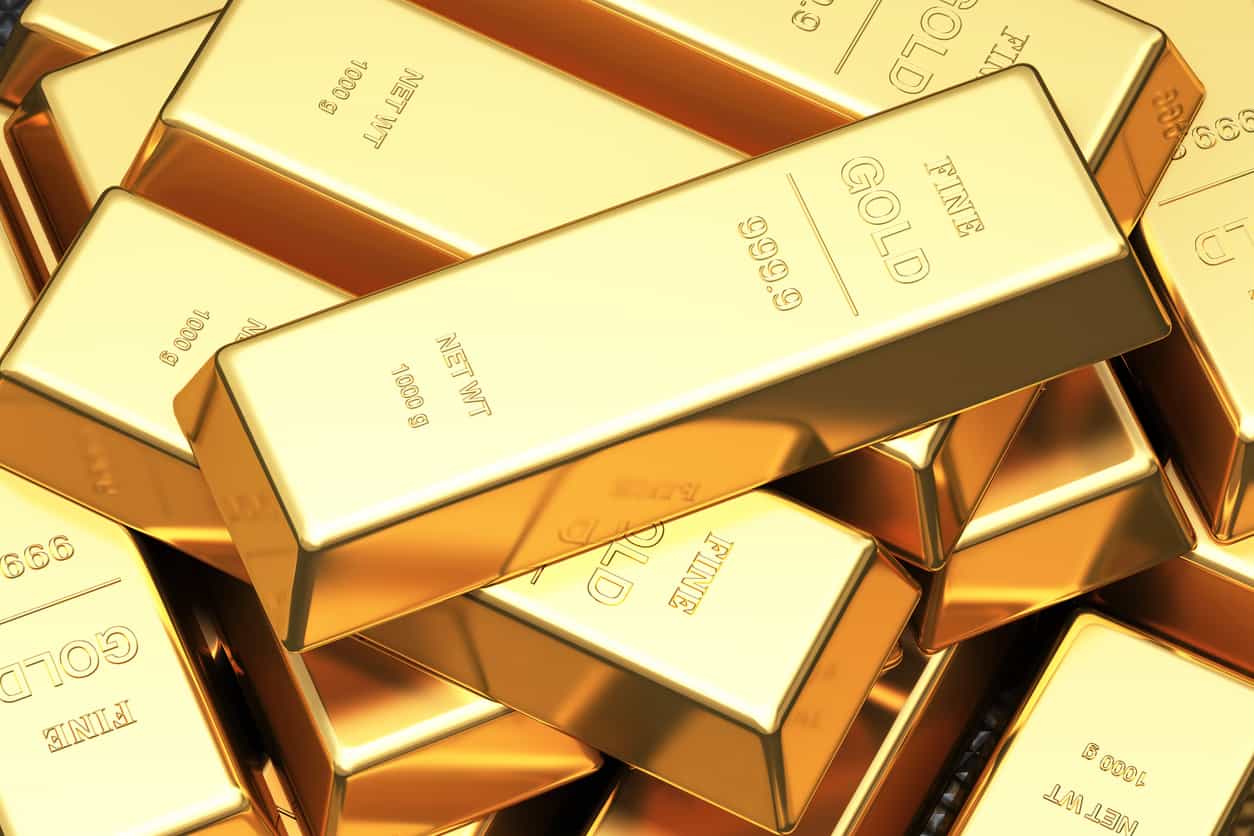
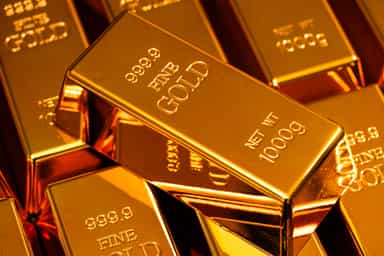
Gold prices slipped on Monday as fresh strikes between Iran and the United States heightened inflation concerns and reinforced expectations that central banks may keep monetary policy tighter for longer. Spot gold was down 0.7% at $4,502.89 per ounce as of 08:40 a.m. EDT (1240 GMT) after hitting a two-week high on Friday. U.S. gold futures fell 1.3% to $4,533.20. "Expectations for interest rates to remain higher for longer are likely to keep gold under pressure, unless bond yields stop rising and rates begin to stabilise or trend lower," said Jim Wyckoff, market analyst at American Gold Exchange. Iran and the United States accused the other of acting aggressively as diplomatic efforts to end three months of war drag on. Oil surged on Monday, while inflation fears tied to the Iran conflict lingered, which could potentially push central banks to raise interest rates to curb rising price pressures. Traders see roughly a 51% chance of at least one U.S. rate hike by year-end, according to CME Group's FedWatch tool. Although gold is often regarded as an inflation hedge, its attractiveness tends to fade in a high-interest-rate environment because it does not generate yield. Market participants will turn their attention to a series of U.S. jobs data releases due this week, along with remarks from Federal Reserve officials. Meanwhile, Fed Governor Jerome Powell on Sunday warned about the impact of a politicized Fed. Powell's term as chair formally ended on May 15. His successor, Kevin Warsh, was sworn in as Fed chair on May 22. Powell has decided to continue as a Fed governor in part because of what he regards as ongoing threats to the Fed's independence. Spot silver rose 0.5% to $75.61 per ounce, platinum gained 1.5% to $1,944.70 and palladium fell 0.1% to $1,352.75. "Palladium is moving towards balance as supply constraints are offset by weakening autos demand," Morgan Stanley said in a note dated Friday.
Teilen