Theme of the Day: Cross-Asset sentiment reflects war in the Middle East
von

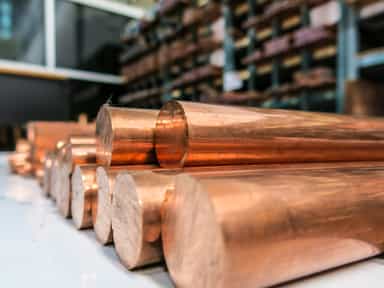
Weaker economic data highlighted a loss of momentum in the US economy. Q4 GDP growth was revised down sharply to 0.7% from 1.4% YoY, reflecting weaker estimates for consumer spending and business investment. Government expenditure was also marked lower, particularly at the state and local level, while exports contributed less than previously estimated. The unusually long government shutdown last year also continued to weigh on overall economic activity. Fifteen days of disruption at the Strait of Hormuz are already straining global energy markets, currencies, and supply chains. Global equities retreated with Middle East war showing little sign of ending. Brent oil closed above $100/bbl for the first time since Aug 2022. Oil markets look set for more turmoil, with the benchmark Brent price spiking above $106/bbl at the start of the week. As long as the Strait of Hormuz situation remains unresolved, we see oil continuing to dominate cross-asset sentiment and influence trading across commodity markets. Bond markets also remain in oil’s grip as investors start to ponder whether inflation fears will soon give way to concerns about growth. The US 10-year Treasury yield rose towards 4.3%, while the USD strengthened above 100, reaching its strongest level since Nov. If yields remain elevated and the USD continues to firm, we expect financial conditions to remain restrictive for risk assets in the near term. Base metals finished the week broadly lower and with the USD strengthening, we see limited catalysts for a near-term rebound across the complex. Both aluminium, copper and nickel are showing resilience. Aluminium: ~10% of global supply comes from the Middle East (20% for EU & US). The Qatalum smelter is already shutting down (takes 6-12 months to restart!), further shutdowns are possible. In an already tight market, capacity offline + shipping disruption = higher prices + physical shortages (LME warehouses are thin and much of the remaining stock is of Russian origin with its associated issues). Copper: although the region isn’t a major copper producer, it is big in sulphur. Why does that matter? Cause it’s smelly but important stuff. Sulphur is converted to sulphuric acid, which is used in copper extraction. 50% of global seaborne sulphur passes through the Strait of Hormuz. 90% if you’re the Central African Copperbelt (Zambia and DRC). Not good for an already stretched supply picture. Nickel: Indonesian smelters are reliant on Middle Eastern sulphur (and sulphuric acid), roughly 75% of their needs, could face rising costs and potential production cuts if shipping disruptions persist, which may tighten input availability and pressure operations. Sulphur stockpiles at high-pressure acid leaching nickel plants average only one to two months' worth of consumption. Sulphur costs already accounted for about half the cost of running a HPAL plant before the conflict broke out because of a huge run-up in prices. sulphur prices had already increased to around $500/t before the conflict started and have, indicatively, climbed another 10-15% since. While the Fed isn’t expected to change rates when it makes its next interest rate decision on Wednesday, investors will closely follow Powell’s remarks after the meeting, which could shed light on how policymakers expect the Middle East conflict to affect the US economy.
Teilen