Theme of the Day: Gold is down but not out
von
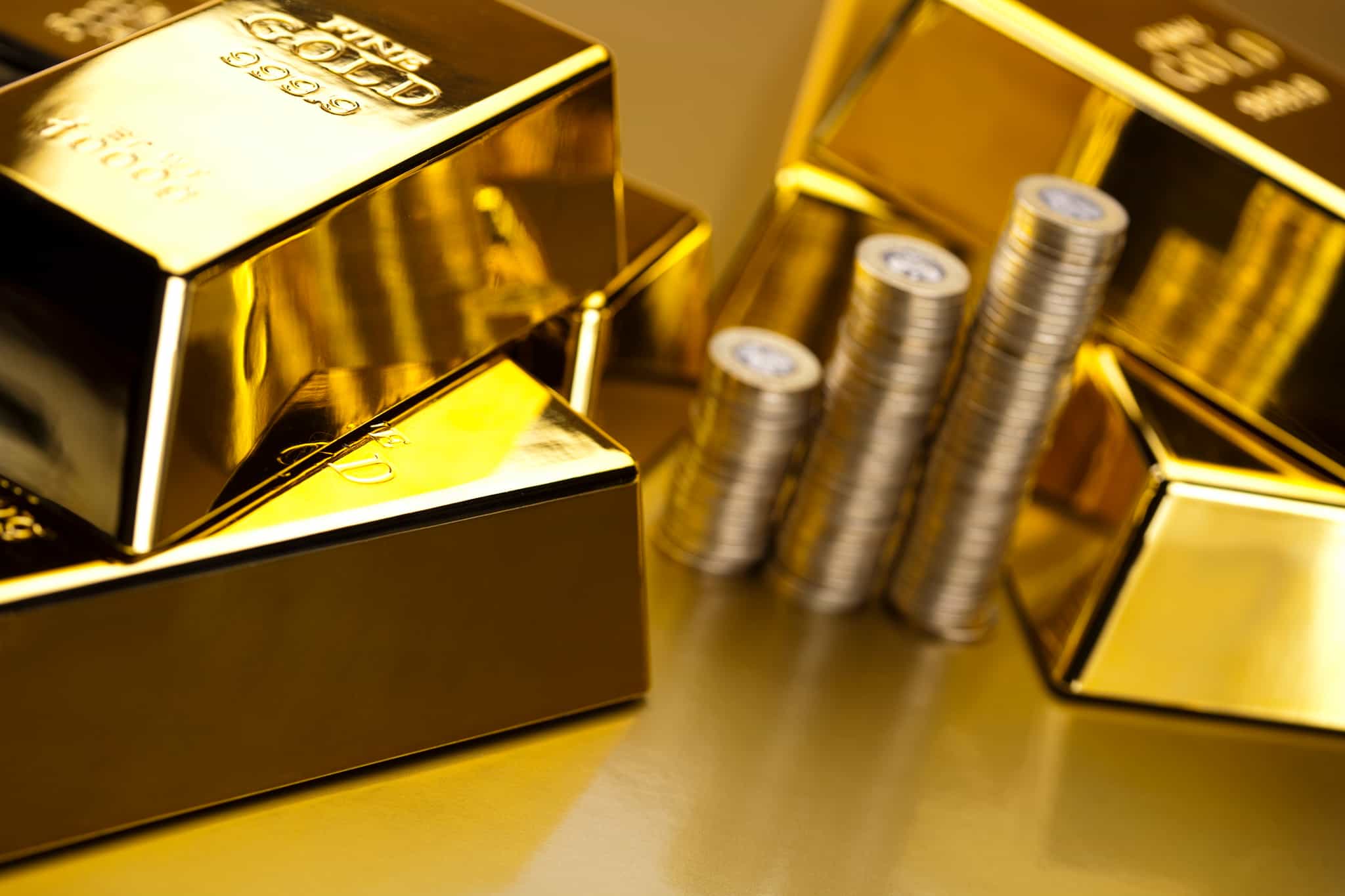
At the beginning of this year, the story looked straightforward. Rising geopolitical tensions, higher oil prices and inflation concerns pushed investors towards precious metals. Gold reached record highs and silver rallied even harder. Fast forward to today and both have given back a large part of those gains. Gold is down around 26% from its peak while silver has fallen nearly 48%. Gold is being pressured by several factors and is part of a broader risk-off environment. The recent break below the 200-day moving average, coupled with stronger-than-expected US employment data and renewed inflation concerns (on higher energy prices), has reinforced the "higher-for-longer" interest rate narrative and triggered additional liquidation. At the same time, what was initially expected to be a short-lived, two-week conflict between the US/Israel and Iran has evolved into a situation with no clear timeline or resolution. The constant flow of conflicting headlines is increasing uncertainty and prompting investors to reduce risk exposure and raise liquidity across a range of asset classes, including commodities. This move is more about deleveraging and portfolio repositioning than a fundamental reassessment of gold's role as a safe-haven asset. It's also important to keep the bigger picture in mind. Gold delivered an extraordinary rally throughout 2025 and into early 2026. Following such a powerful advance, periods of consolidation, profit-taking, and position-clearing should not come as a surprise. Meanwhile, several long-term fundamentals remain constructive: The People's Bank of China reportedly added another 10t of gold in May. Gold is now the second-largest reserve asset held by ECB central banks. Central bank demand remains historically strong. Institutional and retail investors remain under-allocated to precious metals. Comparisons to the post-1980 bear market are understandable, but today's backdrop is fundamentally different. It's interesting that many of the concerns that supported the rally are still around. Moreover, global debt levels are substantially higher, reserve diversification is accelerating, and gold's strategic role within the international monetary system has been significantly enhanced. For those reasons, we view the current weakness as a cyclical correction within a longer-term bull market rather than the start of a multi-decade bear market. The outcome of the FOMC next week and the messaging from Fed Chair Kevin Warsh will be important to watch. There is risk of further near-term downside in gold below $4,000/oz, towards $3,600/oz, the 50% retracement level, should Fed Chair Kevin Warsh acknowledge the increasing inflation risk and should Treasury yields rise further.
Teilen