
Theme of the Day: Industrial demand for PGMs is expected to be robust in 2026, but geopolitical risks remain - Johnson Matthey
von
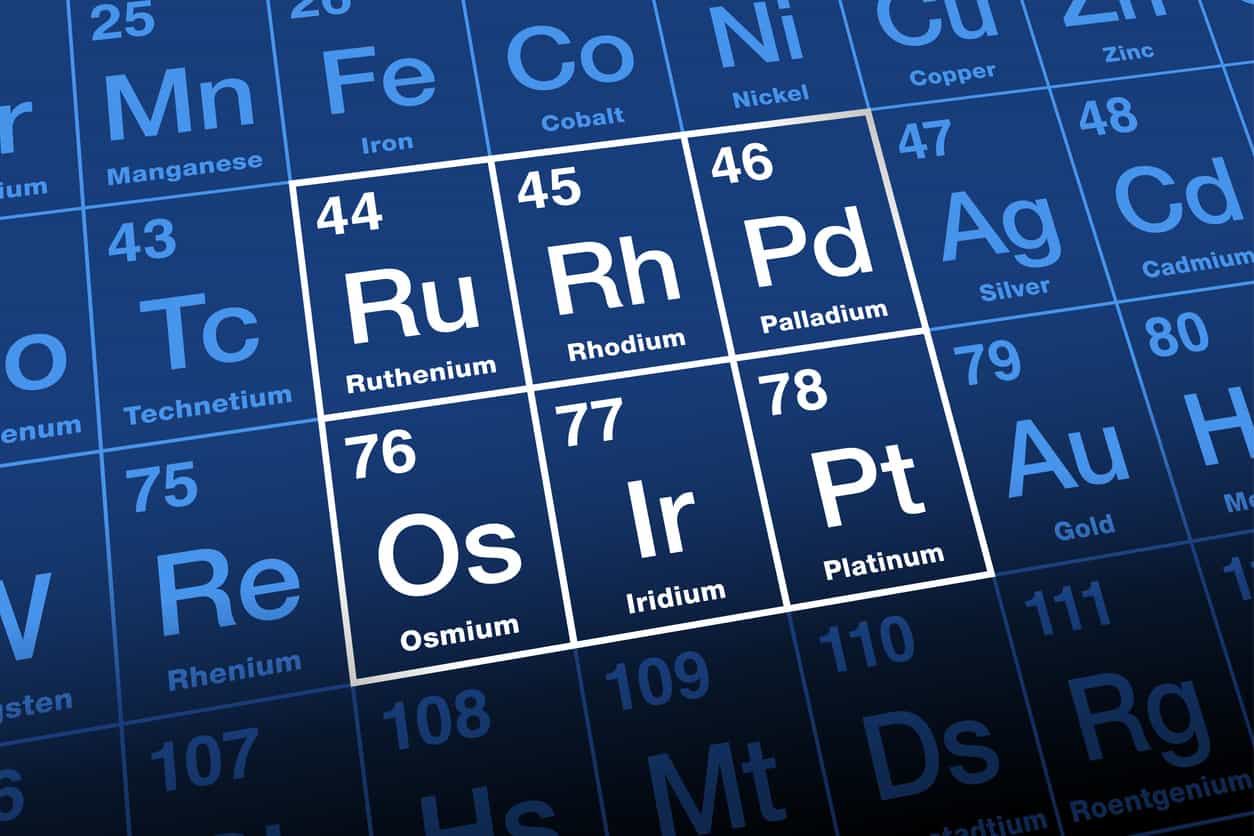
Johnson Matthey kicked off London Platinum Week (from 18 May) by publishing its latest PGM market report highlighting the many ways these metals are essential to our modern world. To name just a few from 2025 - an all-time high in China's chemicals demand, 8% growth in electronics driven by data centre construction, and new commercial uses of platinum in biomedical devices treating heart rhythm disorders. The past year has seen dramatic price gains for the platinum group metals (PGMs), with platinum hitting an all-time high in Jan 2026. All the PGMs were in deficit last year. In 2026, platinum will see further shortfalls, but palladium and rhodium could record small surpluses. Strong PGM prices continue to support a recovery in auto-catalyst recycling. Platinum demand will again exceed supply in 2026, driven by firm industrial use and constrained mine output. The three auto-catalyst PGM recorded deficits in 2025, adding to significant cumulative shortfalls over the previous three years. While the underlying drivers differed somewhat between the metals, a common theme was weak supply: auto-catalyst recycling has been slow to recover from a downturn during 2023–2024, while primary supply from South Africa and North America has been eroded by rationalisation and mine closures. At the same time, industrial demand has been robust, especially in the petrochemicals and electronics sectors, and output of ICE vehicles has proved resilient, albeit with some ongoing substitution, thrifting and model mix impacts. The platinum market will see a supply shortfall for a fourth consecutive year, despite an expected 8% decline in demand. Combined primary and secondary supplies will contract, with lower mine shipments from South Africa and Russia outweighing a rebound in automotive recycling. Industrial platinum consumption should remain firm, but rising battery electric vehicle production will impact platinum use in auto-catalysts. Jewellery and investment demand is forecast to retreat sharply, following a strong performance in 2025. Palladium has been in persistent deficit between 2012 and 2025 but could move into a small surplus this year. Demand is forecast to decline by 9%, with ETF investment turning negative during the first quarter, and automotive demand set to contract in line with lower production of gasoline cars. Primary supply will also fall sharply, as Russian mine production drops to the lowest level for at least two decades. However, automotive recycling should see a robust recovery, boosted by high PGM prices which are helping to accelerate catalyst scrap through the collection and processing network. The rhodium market could also see a small surplus. Lower mine shipments will be balanced by a rebound in secondary supply, with rhodium recoveries from automotive scrap heading for a four-year high. Demand is forecast to fall by 6%, as anticipated lower gasoline car output also reduces rhodium consumption in auto-catalysts.
Teilen
Ähnliche Artikel

Gold set for weekly loss as oil-driven inflation fears boost rate-hike bets

Brittle bonds and AI boom face off

Thema des Tages: Bis zu 30% der in diesem Jahr verkauften Autos sollen elektrisch sein, da Länder und Verbraucher auf die Energiekrise reagieren